If you are thinking about buying or selling in Scottsdale, the weather matters more than you might expect. Here, the seasons do not just change the temperature. They shape when you walk the trails, how you use your patio, what home features feel essential, and even which neighborhoods feel like the best fit for your daily life. Understanding that rhythm can help you make a smarter move, so let’s dive in.
Scottsdale weather sets the pace
Scottsdale has a long hot season, mild winters, and very little rain. At Scottsdale Municipal Airport, NOAA 1991 to 2020 normals show average highs above 100°F in June, July, and August, with July averaging 104.1°F. By contrast, January averages 66.5°F during the day, and annual precipitation is just 8.73 inches.
That climate creates a very specific lifestyle pattern. The city averages 314 clear-sky days and about 3,870 hours of direct sunlight each year, according to Scottsdale’s Shade & Tree Plan. In simple terms, you get a lot of sunshine, but you also need to think carefully about shade, cooling, and outdoor timing.
Summer changes neighborhood routines
In Scottsdale, summer often pushes everyday life into the early morning and evening. That is not just a personal preference. It shows up in how the city schedules activities. For example, Scottsdale’s tennis centers use shorter summer morning hours on weekdays, with play focused from 6:30 to 10:30 a.m.
That same pattern affects how neighborhoods feel day to day. Early dog walks, sunrise workouts, evening pool time, and later dinners outdoors become more common. If you are home shopping, it helps to picture how a block feels at 7 a.m. and again after sunset, not just in the middle of the afternoon.
Heat safety also becomes part of the seasonal routine across the region. Maricopa County’s Heat Relief Network offers free cooled spaces and hydration stations from May 1 through September 30. That reflects how seriously people in the Valley plan around the hottest months.
What buyers notice in summer
When you tour homes in warmer months, you may start paying attention to details that matter less in milder climates. Common questions often center on:
- How much shade the lot gets
- Whether the patio is usable in the afternoon
- Pool access and pool upkeep
- Trail access for early morning walks or bike rides
- How well the home stays comfortable during peak heat
These are practical lifestyle questions, not small details. In Scottsdale, they can affect how much you enjoy your home for a large part of the year.
Monsoon season adds a second summer layer
Scottsdale’s hottest stretch also overlaps with monsoon season. The National Weather Service defines the Southwest monsoon period as June 15 through September 30. During that time, afternoon and evening thunderstorms can arrive after very hot days.
For neighborhood living, that means summer is not just about dry heat. It can also bring bursts of wind, rain, and fast-changing skies later in the day. If outdoor living space is important to you, it is worth thinking about covered patios, shade structures, and how flexible that space feels when weather shifts quickly.
Cooler months bring Scottsdale outdoors
While summer changes the schedule, cooler months open Scottsdale back up in a big way. This is when outdoor living tends to feel easiest and most active. Patios become more usable throughout the day, walking paths stay busier longer, and community events often pick up.
The city’s special-event program highlights that Scottsdale is well suited to events because of its inviting weather, shops, activities, and year-round appeal. Still, the seasonal calendar is especially strong when temperatures ease. Official Scottsdale materials highlight events such as Canal Convergence in November, Scottsdazzle in Old Town, Parada del Sol in late January or early February, the WM Phoenix Open in February, and Arizona Bike Week in April.
That seasonal energy can shape how you experience different parts of Scottsdale. If you enjoy an active calendar and spending time out in the community, cooler months often showcase the city at its most social and walkable.
Trails and green space connect daily life
Scottsdale’s outdoor network plays a major role in neighborhood living through every season. The city says it has 160 miles of trails, and the Indian Bend Wash greenbelt includes an 11-mile multiuse path running through parks, lakes, and golf courses. The system connects neighborhoods, parks, schools, trailheads, and places of employment.
That kind of access can influence your daily routine as much as the home itself. Some buyers want easy trail access for morning runs or bike rides. Others want to be near green space for evening walks or weekend recreation when temperatures are more comfortable.
Why trail access matters in Scottsdale
In many places, a nearby trail is a bonus. In Scottsdale, it can be part of how you structure your week. During hotter months, those routes may be most useful early in the day. During fall, winter, and spring, they can become a bigger part of everyday life.
If you are comparing neighborhoods, it can help to ask not just whether trails exist, but how close they are and how you would realistically use them in different seasons.
Pools, patios, and shade matter more here
Outdoor space in Scottsdale is not just about square footage. It is about usability. A beautiful backyard may feel very different depending on shade, orientation, and how the space is set up for heat.
Scottsdale’s Shade & Tree Plan makes clear that shade is a citywide design priority in both public spaces and private development. That tells you something important about local living. Shade is not a luxury add-on here. It is a key part of comfort.
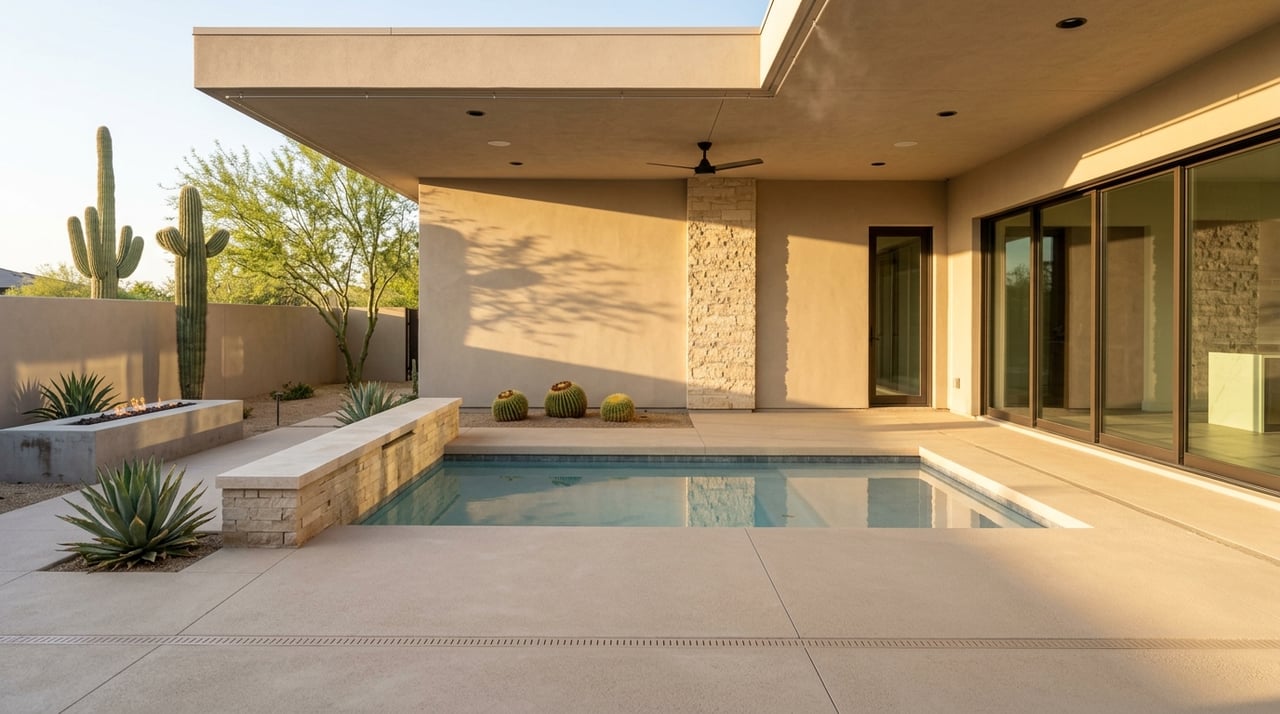
The city also supports pool-centered routines through four aquatics and fitness centers, along with swim lessons and water exercise classes. For many homeowners, private pools and shared pool amenities become a central part of summer living.
If a home has a pool, there are also practical seasonal questions to think through. Scottsdale notes that pool water should never be discharged to the street or storm drain. It can be used to irrigate desert landscaping or drained to the sanitary sewer if needed.
Smart home features for Scottsdale living
In a climate like Scottsdale’s, certain upgrades can have an outsized impact on comfort. The U.S. Department of Energy guidance for hot climates points to practical features such as ceiling fans, window coverings, awnings, low-e films, insulation, shading, and ventilation.
Some of those improvements can make a noticeable difference. DOE says ceiling fans can allow homeowners to raise the thermostat by about 4°F without reducing comfort. Cellular shades can reduce unwanted solar heat through windows by up to 60%, and awnings can cut summer solar heat gain by 65% on south-facing windows and 77% on west-facing windows.
Features worth noticing on a home tour
When you walk through a Scottsdale home, it is helpful to look past surface finishes and think about how the property handles the climate. A few details to notice include:
- Covered patios and deep overhangs
- Mature trees or planned shade placement
- Window coverings that help manage sun exposure
- Ceiling fans in main rooms and outdoor spaces
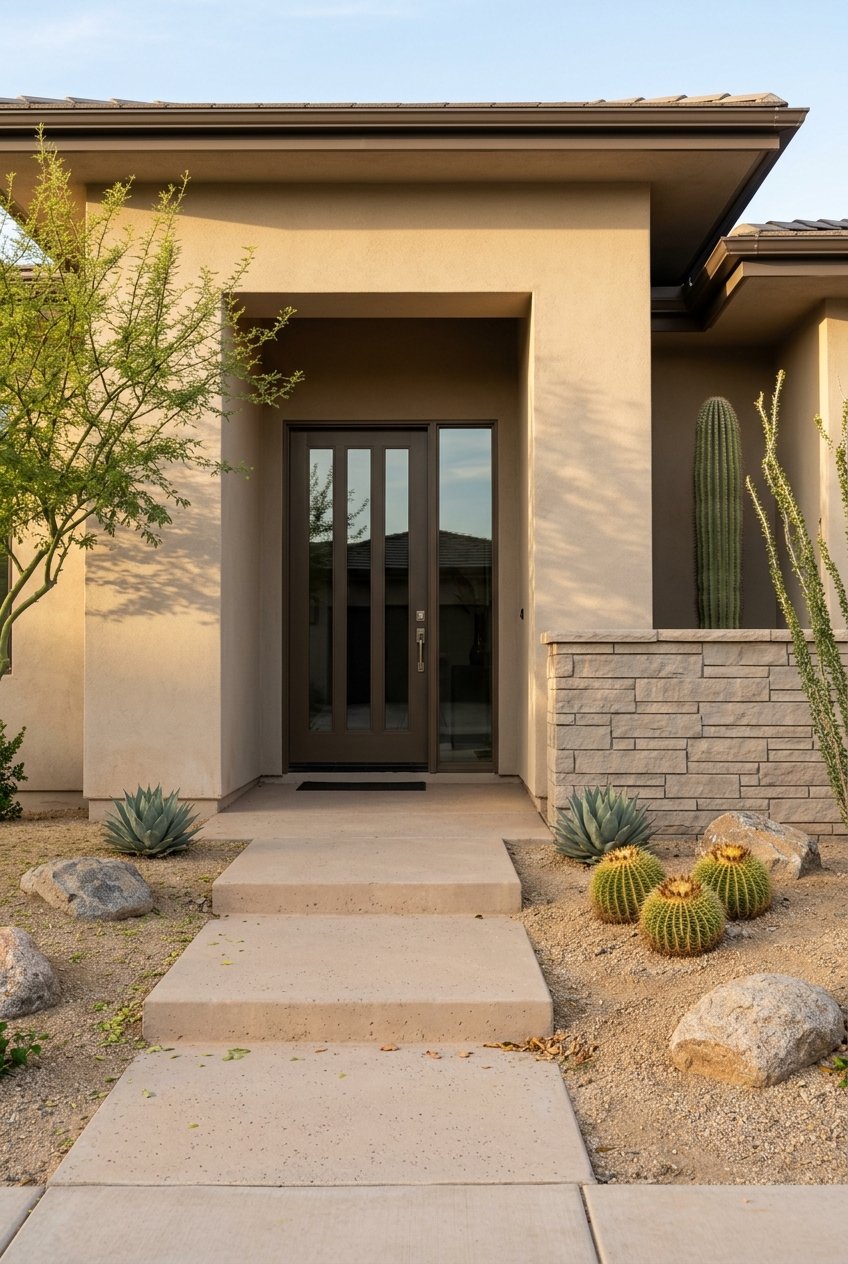
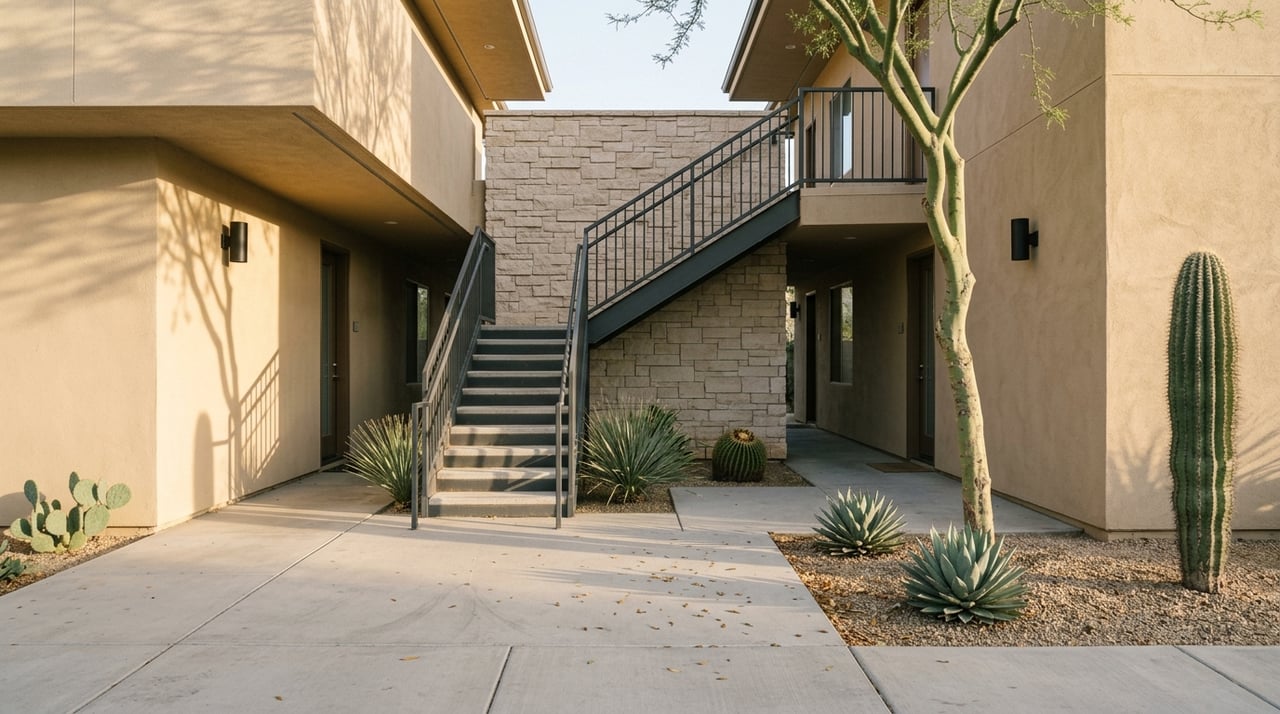
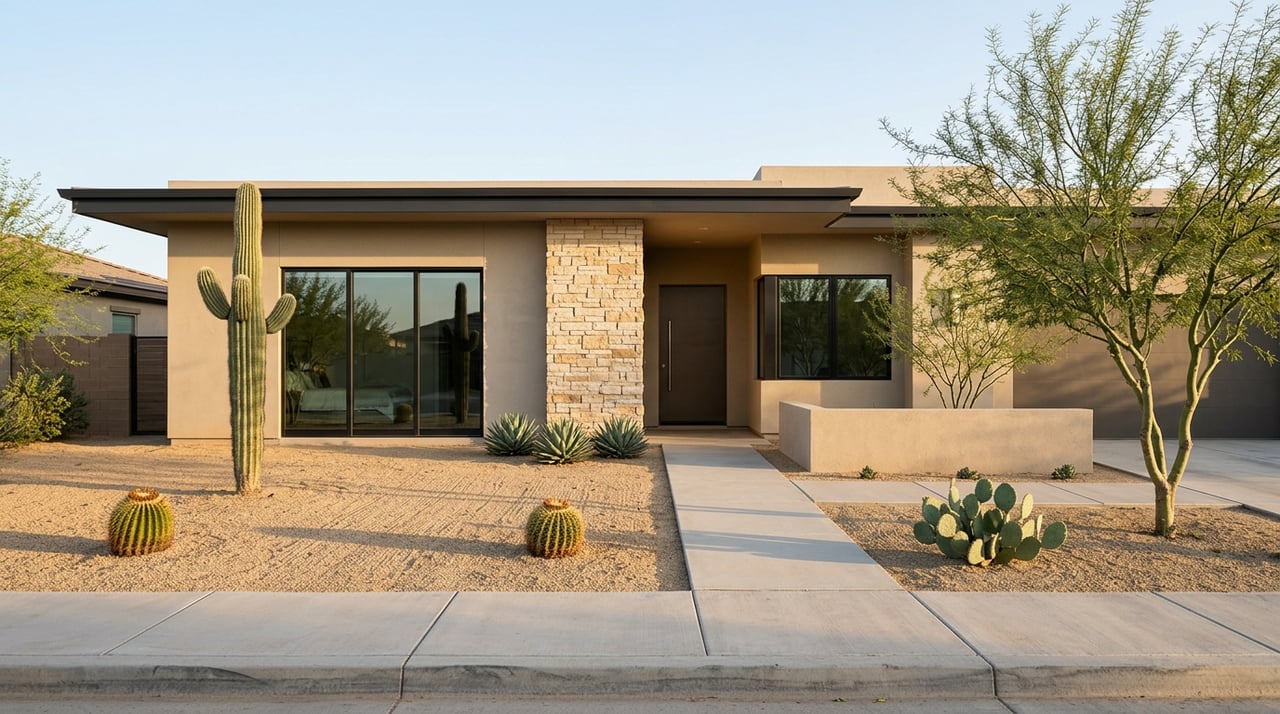
- Landscaping designed for lower water use
- Flexible indoor-outdoor areas for different times of year
These features can support both comfort and day-to-day efficiency. They also tend to matter when future buyers evaluate the home.
Landscaping choices shape maintenance and cost
In Scottsdale, yard design is about more than curb appeal. It also affects water use and seasonal upkeep. Scottsdale Water says about 70% of residential water consumption is used outdoors, which makes landscape planning especially important.
That is one reason Arizona-friendly, lower-water landscaping gets so much attention locally. Scottsdale’s six-acre Xeriscape Garden at Chaparral Park showcases more than 7,000 Arizona-friendly plants and 200 species. It offers a strong local example of how outdoor spaces can stay attractive while using water more thoughtfully.
For buyers, this often raises practical questions. Do you want a yard that needs frequent irrigation and more upkeep, or one designed to fit the desert climate more naturally? The answer can affect both maintenance time and long-term utility costs.
What this means when choosing a neighborhood
In Scottsdale, the best neighborhood for you is often tied to how you want to live through the seasons. If you love walking paths and early outdoor routines, proximity to trails and green space may matter most. If you entertain often, shade, patio design, and indoor-outdoor flow may rise to the top of your list.
Some buyers focus on pool access and summer comfort. Others care more about being near event hubs and outdoor gathering spaces that shine during cooler months. None of these priorities are right or wrong. They simply reflect how Scottsdale’s climate shapes daily living.
This is where a neighborhood-focused home search becomes especially valuable. Instead of only comparing price, size, and finishes, you can compare how each area supports your routine in July, November, and February.
Why seasonal insight helps buyers and sellers
For buyers, understanding Scottsdale’s seasons can help you ask better questions during a home search. You can look at lot orientation, shade, trail access, backyard usability, and cooling-related features with more confidence. That often leads to better long-term fit, not just a faster decision.
For sellers, seasonal awareness can help you present your home more effectively. A shaded patio, smart cooling upgrades, low-water landscaping, or easy access to trails may be meaningful lifestyle selling points when described clearly and honestly. Those details help buyers picture daily life, which is often what turns interest into action.
Scottsdale is a city where the seasons shape more than the forecast. They influence comfort, routines, and how people connect with their homes and neighborhoods throughout the year.
If you want help finding a Scottsdale neighborhood that fits your lifestyle, or positioning your current home for today’s buyers, Angela Totman offers the kind of local, consultative guidance that can help you make a confident move.
FAQs
How hot is summer in Scottsdale?
- NOAA 1991 to 2020 normals at Scottsdale Municipal Airport show average highs of 102.0°F in June, 104.1°F in July, 102.9°F in August, and 98.2°F in September.
What months are monsoon season in Scottsdale?
- The National Weather Service defines the Southwest monsoon period as June 15 through September 30, when afternoon and evening thunderstorms can develop after very hot days.
Why does shade matter so much in Scottsdale neighborhoods?
- Scottsdale’s Shade & Tree Plan treats shade as a citywide design priority, and the city’s high sun exposure means shade can strongly affect outdoor comfort and everyday usability.
What outdoor features are important in Scottsdale homes?
- Buyers often focus on shade, patio usability, pool access, trail access, cooling features, and landscaping that fits the desert climate.
How much of household water use is outdoors in Scottsdale?
- Scottsdale Water says about 70% of residential water consumption is used outdoors, which is why landscape design and irrigation choices matter so much.
Are Scottsdale trails a big part of neighborhood living?
- Yes. The city says Scottsdale has 160 miles of trails, and the Indian Bend Wash greenbelt includes an 11-mile multiuse path that connects neighborhoods, parks, lakes, golf courses, and other destinations.