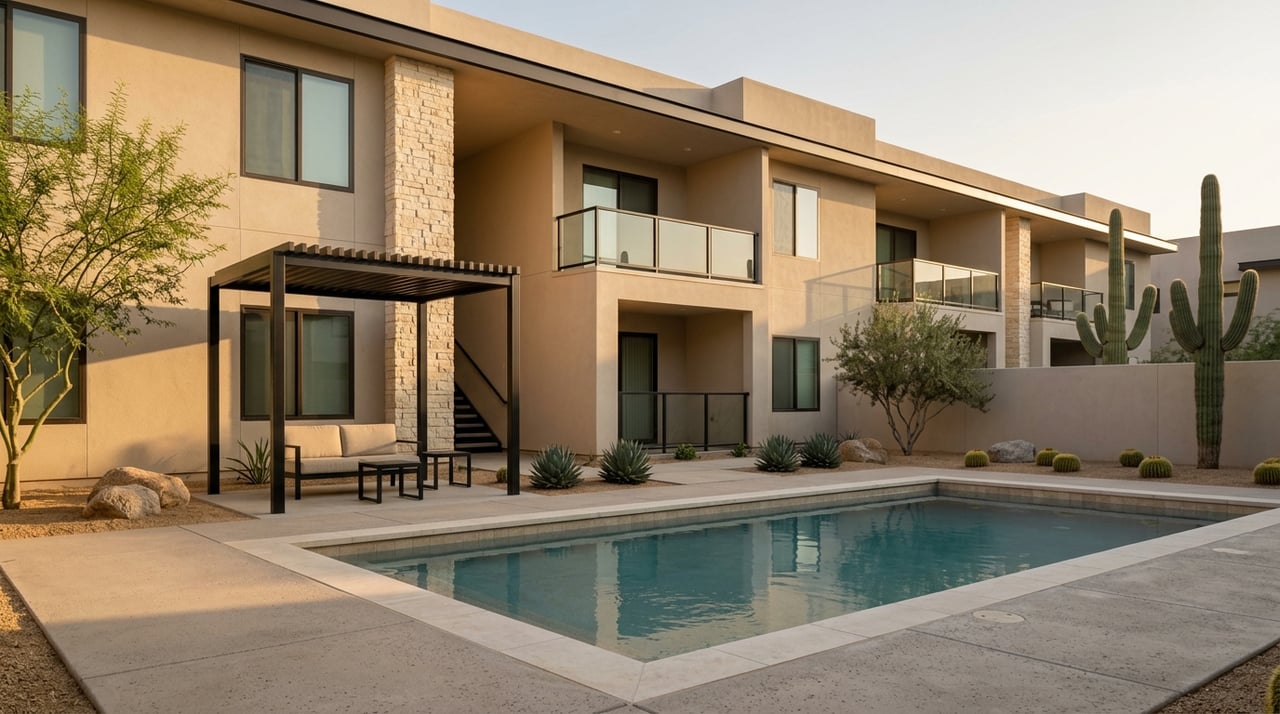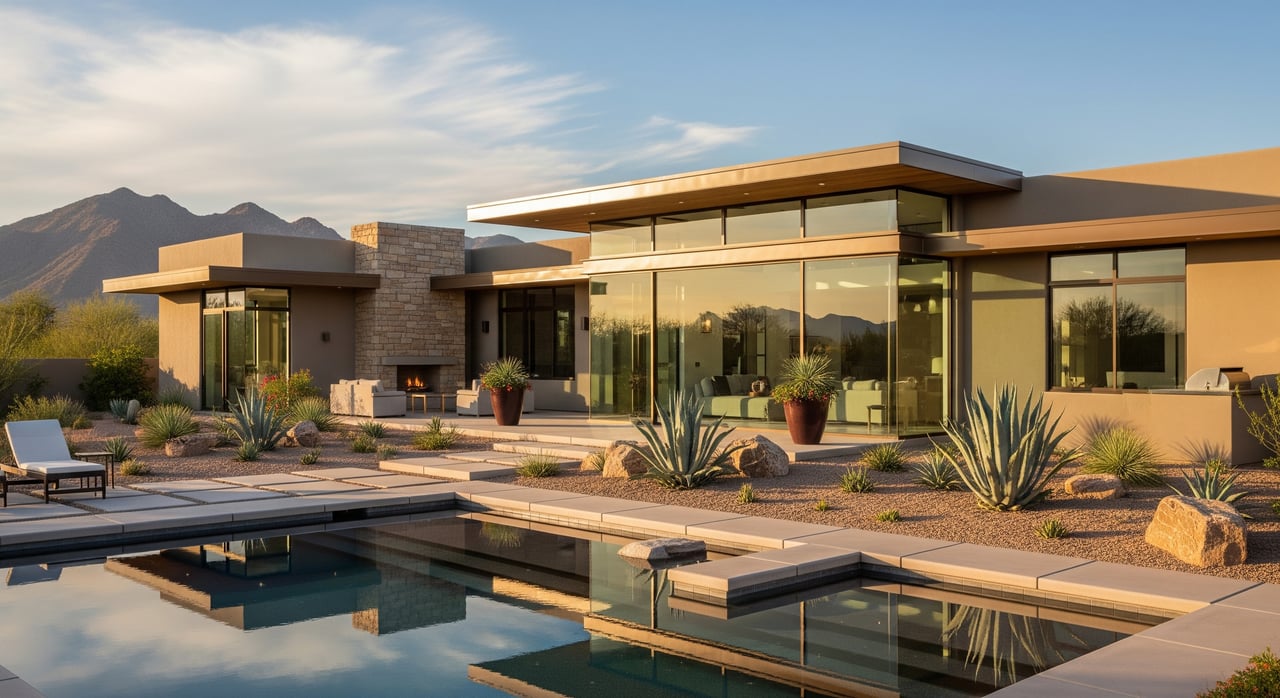
Two similar homes along the Shea Corridor can sell for very different prices. If you have ever wondered why one listing moves fast at the top of the comp range while another lingers, you are not alone. In central Scottsdale, details like renovation level, lot orientation, pool condition, street placement, and access to amenities can shift value and time on market. This guide breaks down the practical drivers you can use to price, shop, or prep a home with confidence. Let’s dive in.
Why the Shea Corridor is a micro‑market
The Shea Corridor covers neighborhoods oriented around Shea Boulevard in central Scottsdale, with a mix of single‑family homes, gated enclaves, and nearby master‑planned communities. Buyers here often prioritize outdoor living, low‑maintenance upgrades, and convenient commutes to the Airpark and Loop 101. Market conditions matter: in a tight seller market, the best features earn larger premiums and faster sales; in a slower market, those premiums narrow. Because the climate is hot and dry, shade, energy efficiency, and pool quality play an outsized role in value.
Renovation level: turnkey vs. dated
What matters to buyers
Renovations reduce your risk and effort after closing, which raises willingness to pay. In Scottsdale, mid‑ to high‑quality upgrades in kitchens, primary baths, and outdoor living areas carry meaningful weight. Energy‑efficient HVAC, solid insulation, and well‑sealed windows help keep cooling costs in check, which many buyers value.
How appraisals treat updates
Permitted, high‑quality renovations typically support stronger comps and smoother appraisals. Cosmetic refreshes without systems work (roof, HVAC, windows) can deliver less value at appraisal. Unpermitted work often results in price adjustments, lender conditions, or buyer hesitation during inspections.
Quick valuation checklist
- Kitchen: appliance age, cabinetry quality, countertops, and layout functionality.
- Bathrooms: fixtures, tile quality, ventilation, and water‑efficient features.
- Systems: roof and A/C age, permit history, ducting and insulation quality.
- Documentation: clear permits and receipts for major work.
Lot orientation and size: shade equals use
Why orientation matters
Orientation affects summer heat, afternoon sun, and how often you will enjoy the yard. North‑south orientations with covered patios and shade structures offer more comfortable year‑round use. Deeper, well‑configured lots that accommodate outdoor kitchens, seating, and shade trees tend to be more desirable.
Appraisal and buyer signals
Lots that enable functional outdoor living in summer usually command premiums. Odd shapes or slopes that limit usable space can slow interest. When comparing homes, evaluate usable outdoor square footage, not just total lot size.
Quick valuation checklist
- Backyard exposure: look for north‑facing yards or robust shade solutions.
- Covered spaces: depth of patio cover, pergolas, mature trees, and misting.
- Neighboring shadowing: building heights and fences that add afternoon shade.
Street placement: quiet vs. busy
How the street affects value
Street placement shapes noise, privacy, and curb appeal. Interior streets and cul‑de‑sacs are often perceived as quieter and may sell faster. Homes on busy arterials can face noise and visibility tradeoffs that influence pricing and time on market.
Practical indicators
- Proximity: distance to the nearest arterial or commercial center.
- Noise and lighting: traffic patterns, streetlights, and delivery routes.
- Parking and sidewalks: on‑street parking and sidewalk continuity for daily life.
Pool quality: asset or liability
What buyers weigh
In a desert market, many buyers see pools as essential for lifestyle and summer cooling. Condition and efficiency are key: a well‑maintained pool with updated equipment can attract more buyers, while an aging pool often triggers repair credits or price adjustments.
Inspection and ownership considerations
Expect pool inspections to flag surface condition, leaks, and equipment age. Energy‑efficient variable‑speed pumps and safety features are positives. Permit history, fencing, and code compliance can become negotiation points.
Quick valuation checklist
- Surface and structure: recent replastering or resurfacing.
- Equipment: age and type of pump, heater, and automation.
- Safety and compliance: fences, gates, and documented permits.
- Operating costs: realistic monthly maintenance and electricity usage.
Proximity to amenities: convenience premium
What tends to add value
Short drives to the Airpark, Loop 101, and major shopping and dining areas can increase demand. Nearby parks, golf options, and access to preserve and open space add lifestyle appeal for many buyers. Being within preferred school boundaries can also influence the buyer pool and pricing.
What can reduce value
Immediate exposure to heavy traffic or industrial uses may lower offers or lengthen days on market. As always, confirm any planned development projects that could change noise or traffic patterns near the home.
Quick valuation checklist
- Drive times: typical commute to employment centers and everyday retail.
- Recreation: proximity to parks, golf, and trailheads.
- Schools: attendance boundaries and enrollment context.
How features combine: real‑world scenarios
- Renovation uplift: Two similar homes, one fully renovated with a recent HVAC and one with original finishes. The renovated home typically sells faster and closer to the top of the local range, especially when buyers prioritize move‑in readiness.
- Pool condition: A modern, well‑maintained pool usually supports a stronger price than an older pool needing equipment or surface work. If repairs are likely, buyers often request credits.
- Orientation and shade: A north‑facing backyard with a deep covered patio is often preferred for year‑round use, and it can command a premium over a west‑facing yard with limited shade.
- Street placement: Interior or cul‑de‑sac locations may earn modest premiums and shorter market times relative to arterial frontage.
- Amenities: A home close to popular parks or retail often draws a larger buyer pool and can see stronger pricing than a similar home that requires longer drives.
The effects stack. A turnkey home on a quiet interior lot with a modern pool and convenient access to amenities will usually land at the top of the comp range. Multiple negatives compound downside risk and often require bigger price adjustments.
Pricing, appraisal, and negotiation risks
- Comps and appraisal: Appraisers rely on comparable sales. If your home has unique outdoor features or a standout pool with few local comps, appraisal credit may lag buyer enthusiasm.
- Permits and code: Unpermitted additions or pool work can trigger lender conditions and price credits. Check Scottsdale and county permit records early.
- Maintenance and disclosures: Older mechanicals and pool issues often surface during inspections. Addressing obvious items or pre‑inspecting can reduce renegotiation.
- Buyer fit: Different buyer groups value different features. Understanding which features drive your target buyer’s decisions helps set list strategy and expectations.
- Seasonal timing: Arizona is year‑round, but spring and fall often see more showings. Showcase shade, cooling features, and outdoor living accordingly.
For sellers: steps to maximize value
- Confirm permits: Gather documentation for renovations, pools, and additions before listing.
- Tune the systems: Service HVAC, repair roof issues, and fix known pool items to limit repair credits.
- Stage outdoor living: Add shade elements, clean the decking, refresh landscaping, and highlight seating zones.
- Prioritize high‑impact updates: Focus on the kitchen, primary bath, and lighting if you plan to update. Keep finishes cohesive and neutral.
- Market professionally: High‑quality photography, virtual tours, and clear feature callouts help buyers see value quickly.
- Price with comps: Weigh street placement and orientation when selecting comps. Build appraisal strategy into your pricing and timeline.
For buyers: how to shop smart
- Verify renovation scope: Ask for permits and dates for major work and mechanicals.
- Evaluate orientation: Visit at different times of day to check sun exposure and shade.
- Inspect the pool carefully: Get repair estimates for aging equipment or surfaces and factor operating costs into your budget.
- Consider the street: Listen for traffic, check parking, and note nighttime lighting.
- Map your life: Time drives to work, retail, parks, and services you use weekly.
- Plan for appraisal: If features are unique, align offer strategy and appraisal contingencies with your risk tolerance.
What this means for your next move
In the Shea Corridor, price is not just about square footage. Renovation quality, lot orientation, pool condition, street placement, and proximity to everyday amenities shape both demand and appraisal outcomes. If you tailor your plan to these micro‑market drivers, you can buy with clarity or sell with confidence.
If you want a data‑backed price opinion or a purchase plan tailored to your goals, connect with Angela Totman for a one‑on‑one consult. Let’s build a strategy that fits your timing, budget, and long‑term plans.
FAQs
What is the Shea Corridor in central Scottsdale?
- It refers to neighborhoods along and near Shea Boulevard with a mix of single‑family homes, gated communities, and nearby master‑planned areas influenced by commute access, shopping, dining, and outdoor amenities.
Which home updates matter most for price in Scottsdale?
- Permitted, high‑quality kitchen and primary bath renovations, plus well‑maintained systems like HVAC, roof, and windows, typically have the biggest impact on demand and appraisal.
Does a pool always increase home value in Scottsdale?
- Often, but not always; a modern, well‑maintained, energy‑efficient pool tends to support stronger pricing, while older or non‑compliant pools can lead to repair credits or lower offers.
Why does lot orientation affect price in a hot climate?
- Orientation shapes sun exposure and how usable the yard is in summer; north‑south orientations with shade and covered patios are often preferred for year‑round outdoor living.
How do busy streets versus interior lots affect offers?
- Interior and cul‑de‑sac locations are typically perceived as quieter and may sell faster and for slightly more, while arterial frontage can bring noise and visibility tradeoffs that influence price.