If you want central Scottsdale convenience without a dense, built-up feel, the Shea Corridor stands out fast. This part of the city blends established neighborhoods, desert-oriented design, and easy access to daily essentials in a way that feels practical and polished at the same time. Whether you are thinking about buying here or just trying to understand the area better, this guide will walk you through what day-to-day life really feels like along the Shea Corridor. Let’s dive in.
Where the Shea Corridor Is
In central Scottsdale, the Shea Area generally stretches between Hayden Road and the city’s eastern boundary. The corridor policy area reaches about a quarter mile north and south of Shea Boulevard, and the Mayo Support District applies around the Mayo Clinic area.
That geography matters because it helps explain why the area feels both connected and residential. You are near one of Scottsdale’s main east-west routes, but city planning has focused on keeping the corridor compatible with surrounding neighborhoods rather than turning it into a high-intensity urban strip.
What the Area Feels Like
One of the strongest impressions you get along the Shea Corridor is openness. Scottsdale’s Shea Area Plan emphasizes limited building massing, setbacks, buffering, preservation of washes, and single-story buildings next to the Shea Scenic Corridor.
In real life, that creates a lower-profile look and feel. Instead of a wall of tall buildings and tight spacing, you tend to see a more established setting with desert character and room to breathe.
Shea Boulevard itself is designated as a scenic corridor from the Pima Freeway east to the city boundary. Nearby Frank Lloyd Wright Boulevard also follows buffered setback and desert-themed streetscape standards in key sections, which adds to the area’s cohesive visual identity.
Outdoor Living Is Part of Daily Life
If you like being outside, this area has a lot going for it. One of the biggest lifestyle advantages nearby is the Indian Bend Wash Greenbelt, which the city describes as an oasis of parks, lakes, paths, and golf courses.
The Greenbelt includes an 11-mile multiuse path and more than 24 grade-separated crossings. That means you can cover a lot of ground while avoiding many of the interruptions that come with major traffic corridors.
Scottsdale’s broader neighborhood trail system adds even more connectivity. The city says the system links neighborhoods to schools, preserve trailheads, parks, and employment areas, and it currently totals 160 miles with 150 more miles planned.
For bigger desert views and more expansive recreation, the McDowell Sonoran Preserve is another major plus. Scottsdale describes it as a permanently protected Sonoran Desert preserve covering about 47 square miles, or roughly one-third of the city’s land area.
For a closer-to-town outing, McCormick-Stillman Railroad Park is another well-known option in central Scottsdale. It is located at 7301 E. Indian Bend Road and remains one of the city’s major destinations for everyday recreation.
Shopping and Dining Nearby
Living along the Shea Corridor also means you are close to several established retail and dining nodes. One of the clearest daily-life anchors is The Promenade Scottsdale at 16243 N. Scottsdale Road, which is described as a lifestyle shopping and dining destination where residents can pick up essentials, grab a meal, and spend time at entertainment stops.
Farther into central Scottsdale, the Shops at Hilton Village offer a smaller-scale shopping option with more than 25 retailers at Scottsdale and McDonald roads. The setting is more intimate, which fits the overall feel many buyers look for in this part of Scottsdale.
The Shops at Gainey Village add another layer to the mix with boutiques, eateries, dining spots, home furnishings, interior design, and fitness studios at Scottsdale and Doubletree. Together, these destinations help support the area’s balance of neighborhood calm and everyday convenience.
Around the Mayo Clinic area, city planning also anticipates a support district with hotels, restaurants, specialty retail, offices, research and development, housing, and educational facilities. That planning helps explain why this part of the corridor can feel quiet at home while still offering a practical range of nearby services.
Getting Around the Shea Corridor
When people talk about access in this area, Shea Boulevard and Loop 101 are usually part of the conversation. The Arizona Department of Transportation notes that Loop 101 was widened between Princess Drive and Shea Boulevard to improve traffic flow on the freeway and cross streets.
That highlights how important Loop 101 is for daily movement in and out of the area. If you commute, run errands across Scottsdale, or need to connect to other parts of the Valley, that access can be a major advantage.
City planning also calls for an efficient road network, safe north-south access across Shea, and expanded bus service along Shea at Frank Lloyd Wright Boulevard and near the Mayo Clinic. For many residents, the practical benefit is simple: the area is designed to stay connected without losing its neighborhood structure.
What Homes Tend to Look Like
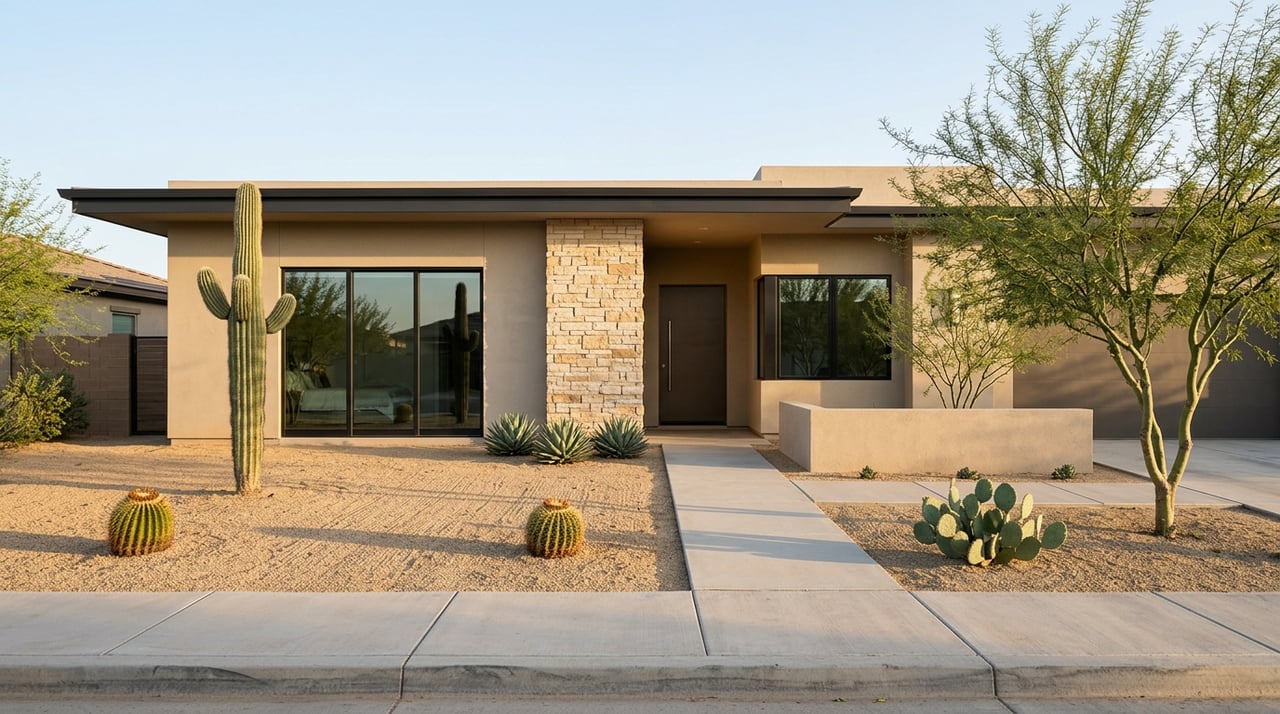
Housing along the Shea Corridor often lines up with what many people picture when they think of established Scottsdale living. Scottsdale’s historic housing study found that typical postwar homes were single-story ranches with block walls, asphalt-shingle roofs, carports or garages, and covered patios.
The same study also notes later variations like California Ranch, Character Ranch, Contemporary, and Split-Level styles. So while there is variety, the overall pattern still leans toward mature residential streets rather than a brand-new master-planned look.
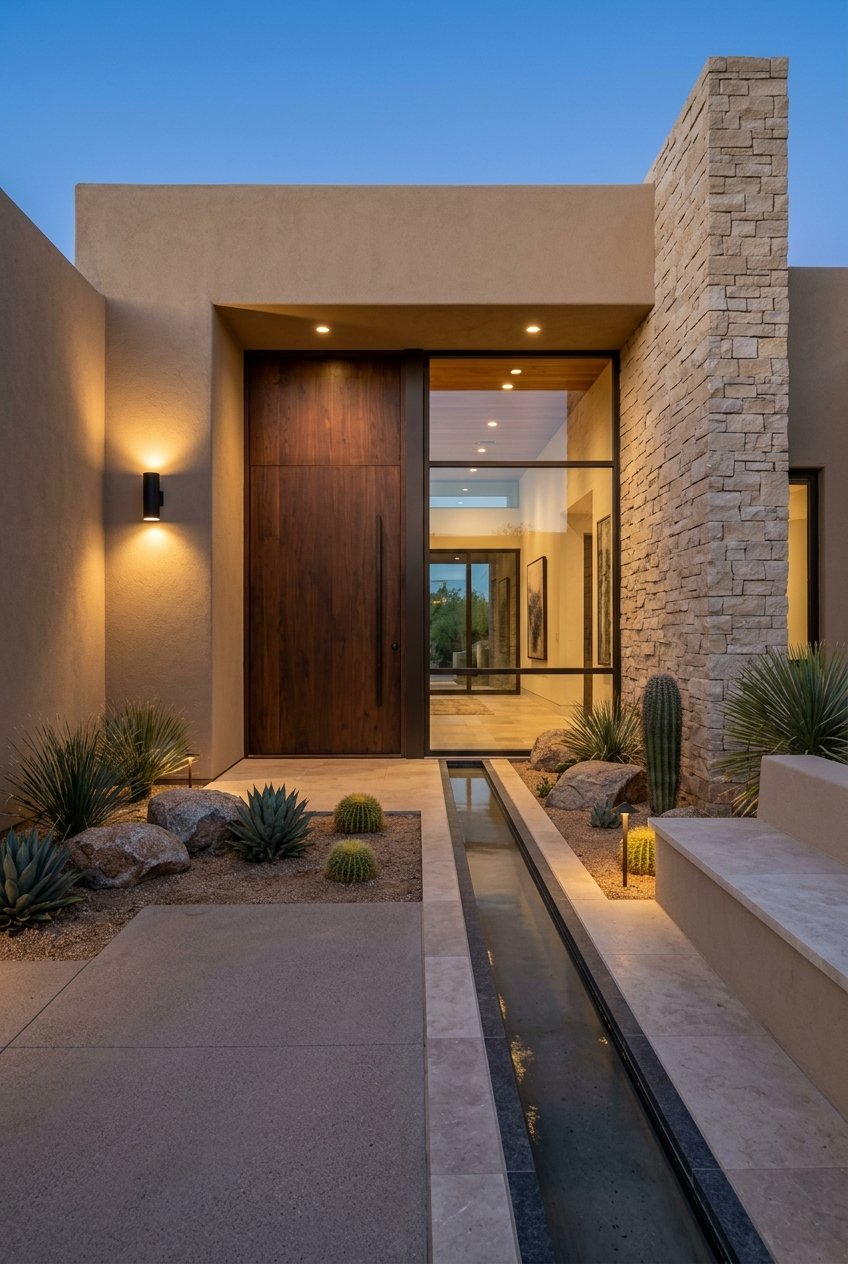
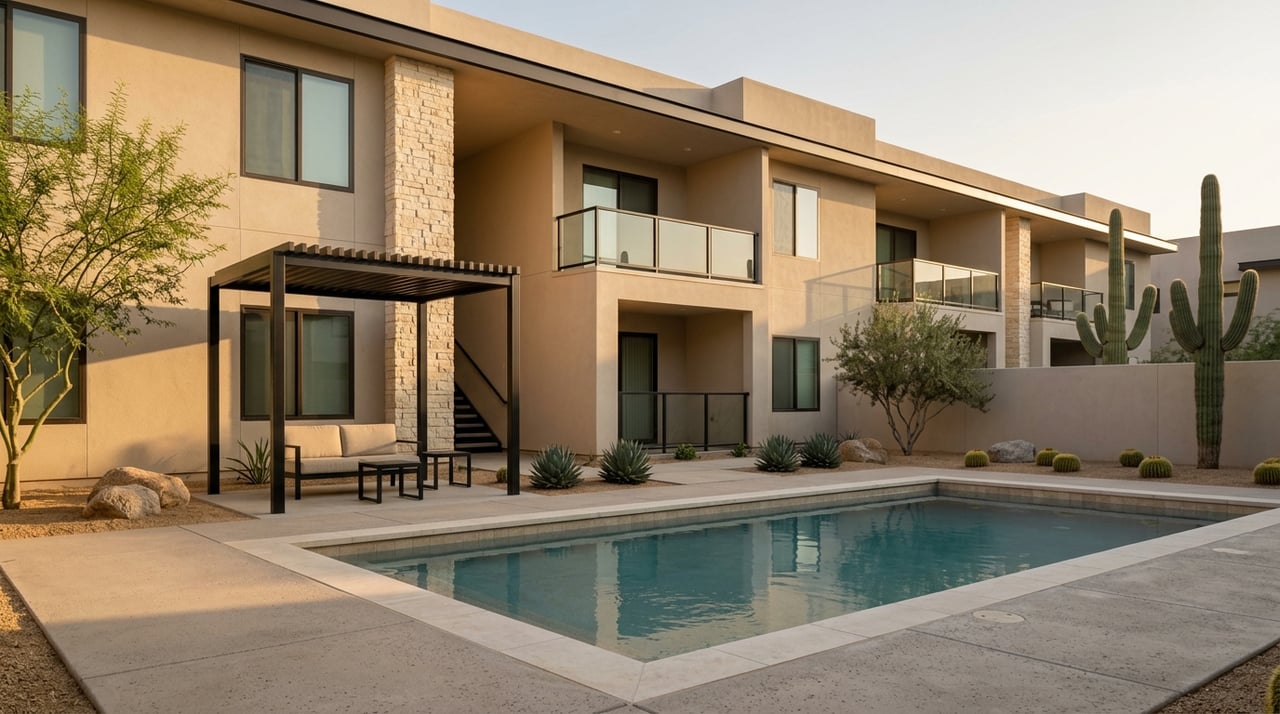
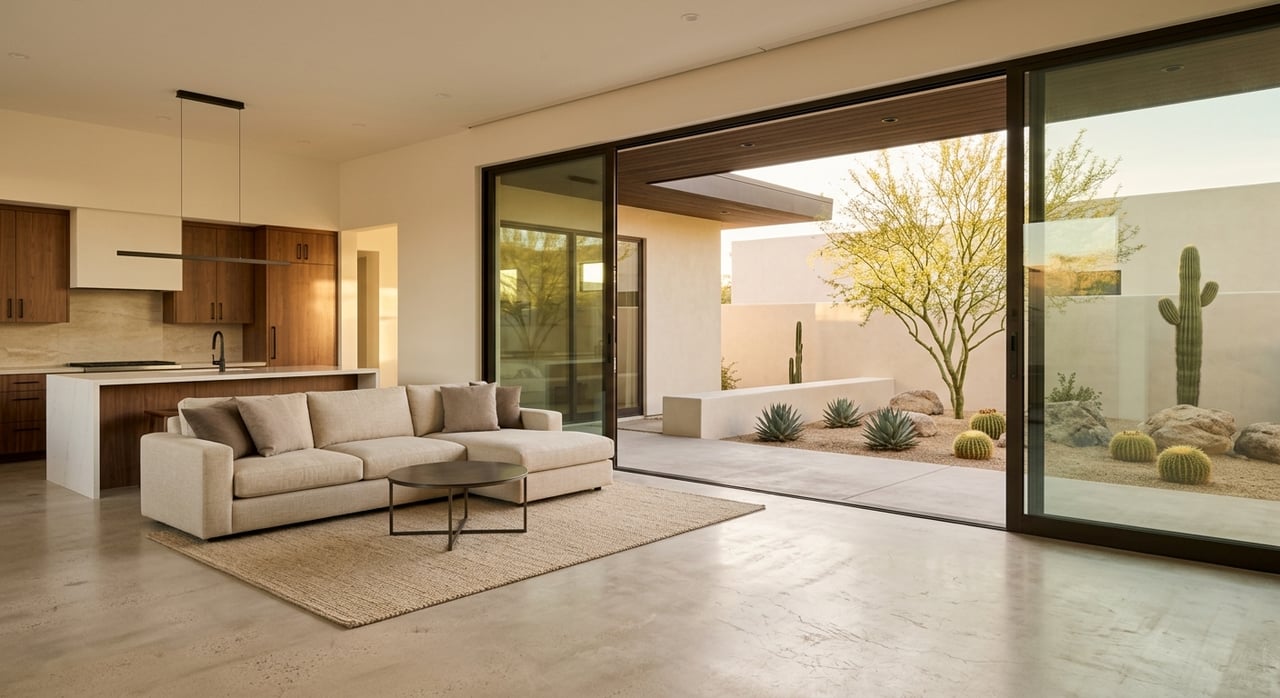
One especially useful detail is how strongly indoor-outdoor living shows up in the area’s housing history. The city found that almost three-quarters of homes had at least one patio, which helps explain why patios, pools, and outdoor gathering spaces still feel so natural in this part of Scottsdale.
The earliest subdivision growth near Shea Boulevard and Scottsdale Road helped shape that long-established suburban pattern. For buyers, that often translates into streetscapes and floor plans with a sense of history, functionality, and Arizona lifestyle appeal.
Who the Shea Corridor Often Appeals To
This area tends to resonate with buyers who want convenience without giving up a neighborhood-first feel. Because the city has worked to preserve character along Shea Boulevard, the corridor offers central access while still maintaining a lower-rise, more visually open environment.
It can also be a strong fit if outdoor recreation matters to you. Between the Greenbelt, Scottsdale’s trail network, and access to the McDowell Sonoran Preserve, being active can feel less like a special outing and more like part of your weekly routine.
For many buyers, the appeal comes down to balance. You get established homes, practical shopping and dining access, and a setting shaped by long-term planning rather than fast, high-density growth.
Why This Part of Scottsdale Stands Out
Not every central location gives you both accessibility and breathing room. The Shea Corridor does, and that is a big reason it continues to attract attention from buyers who want a polished Scottsdale lifestyle anchored by real neighborhood character.
If you are comparing areas in Scottsdale, this corridor is worth a close look for its scenic standards, mature housing stock, outdoor access, and everyday convenience. It feels established for a reason, and that local identity is a big part of its long-term appeal.
If you are thinking about buying or selling in central Scottsdale, working with someone who understands the differences between Scottsdale micro-markets can make your search much more focused. To talk through neighborhoods, home values, or your next move, connect with Angela Totman.
FAQs
Where is the Shea Corridor in Scottsdale?
- The Shea Area generally runs between Hayden Road and Scottsdale’s eastern boundary, with the corridor policy area extending about one-quarter mile north and south of Shea Boulevard.
What does living along the Shea Corridor feel like?
- Living along the Shea Corridor typically feels more established and open than densely built up, thanks to city policies that emphasize compatibility with nearby neighborhoods, setbacks, buffering, and low-rise design.
What outdoor amenities are near the Shea Corridor?
- Nearby outdoor amenities include the Indian Bend Wash Greenbelt, Scottsdale’s neighborhood trail system, the McDowell Sonoran Preserve, and McCormick-Stillman Railroad Park.
What kinds of homes are common along the Shea Corridor?
- Homes commonly associated with the area include established single-story ranch homes, along with later styles such as California Ranch, Character Ranch, Contemporary, and Split-Level designs.
Is the Shea Corridor convenient for shopping and commuting?
- Yes. The area offers access to retail and dining destinations like The Promenade Scottsdale, Hilton Village, and Gainey Village, and it is closely tied to Shea Boulevard and Loop 101 for daily travel.