Looking for room to breathe without giving up Scottsdale convenience? If you picture morning rides, a larger lot, and a resort-style backyard, the Cactus Corridor might be your sweet spot. You want clear answers on where it is, what you can build, and how horse ownership actually works at home. This guide gives you the lay of the land, the rules that matter, and a smart checklist so you can buy with confidence. Let’s dive in.
Cactus Corridor at a glance
The Cactus Corridor is a Scottsdale character area in Maricopa County, generally bounded by Pima Road to the west, Frank Lloyd Wright Boulevard to the east, Thunderbird Road to the north, and Shea Boulevard to the south. The City’s Cactus Corridor Area Plan highlights a blend of low-density estate lots and more traditional subdivisions.
East of 96th Street, the plan encourages a rural, estate feel with larger lots. West of 96th Street, you will find more suburban infill. That mix is why buyers come here for space, flexibility, and an upscale lifestyle close to everything Scottsdale offers.
Lots, homes, and standout features
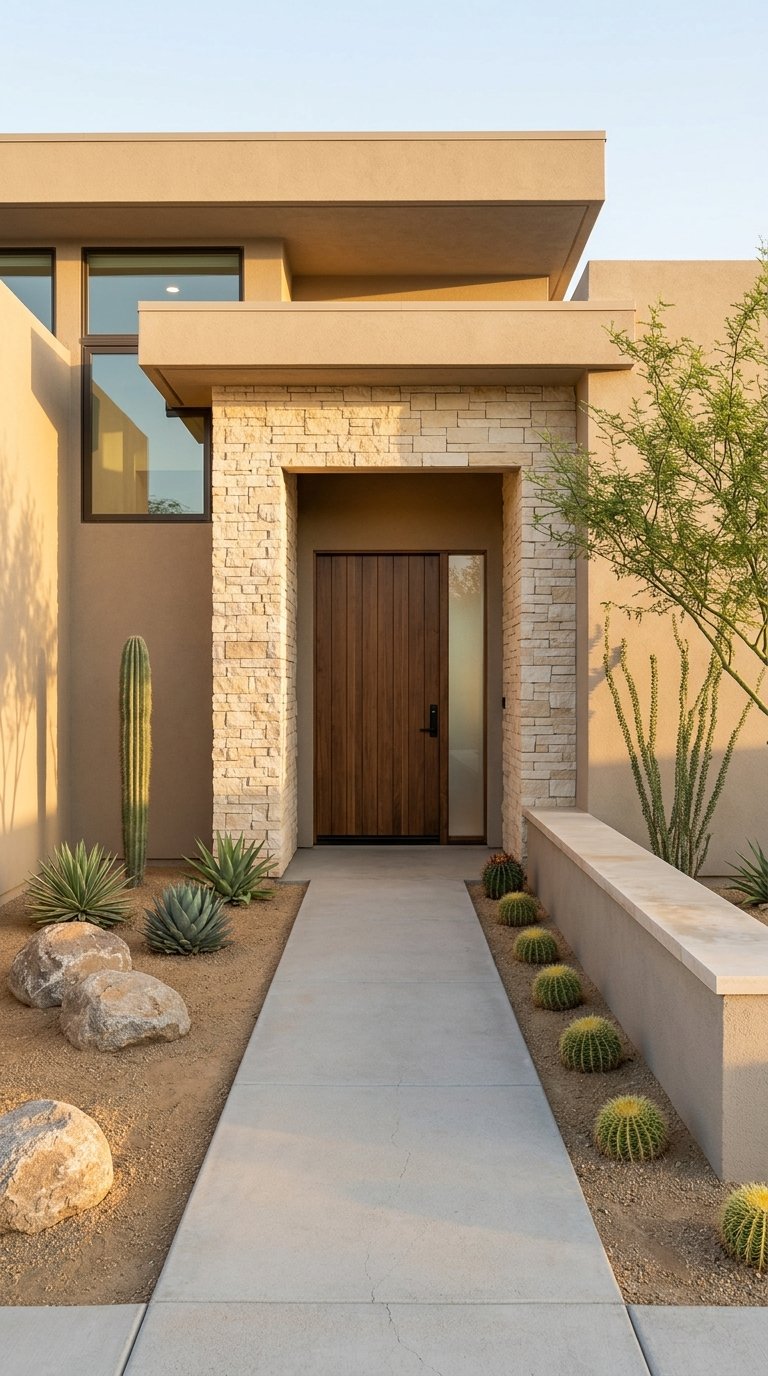
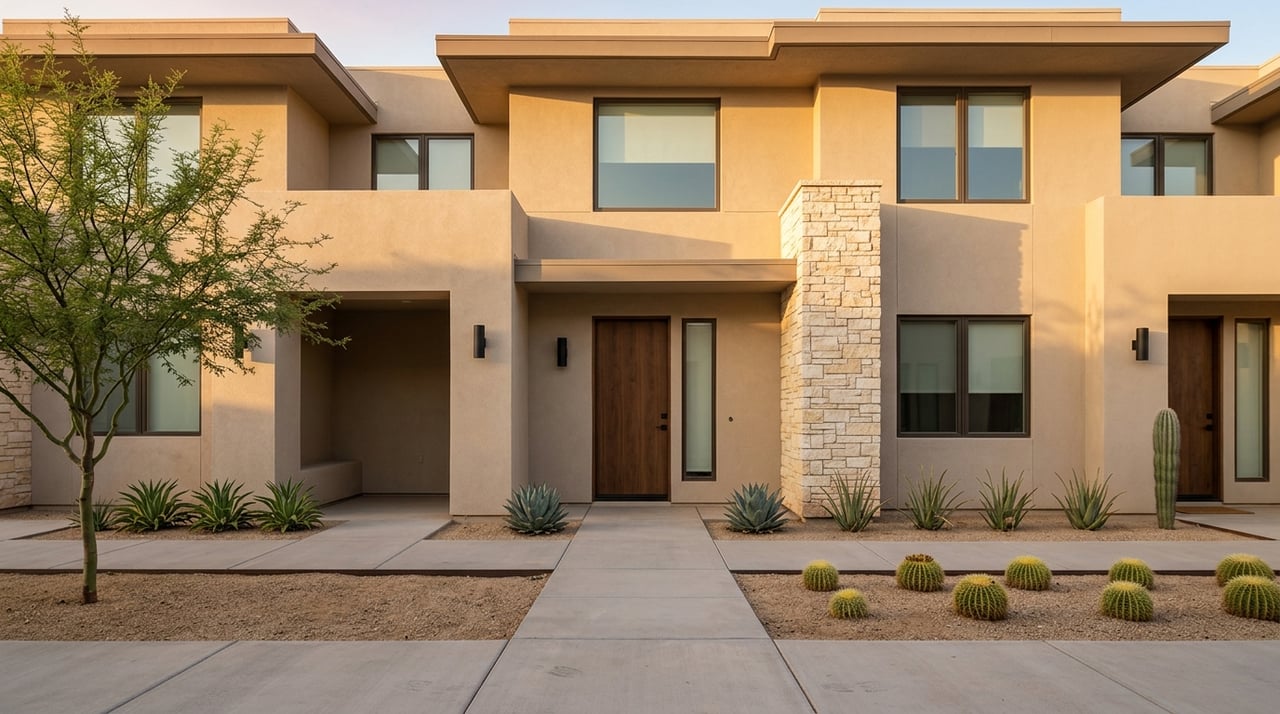
Many properties in the Corridor sit on roughly 0.5 to 1+ acre lots, with pockets around 35,000 square feet and occasional 2+ acre parcels. You will see original ranch-style homes, custom builds, and new luxury estates.
Common estate features include:
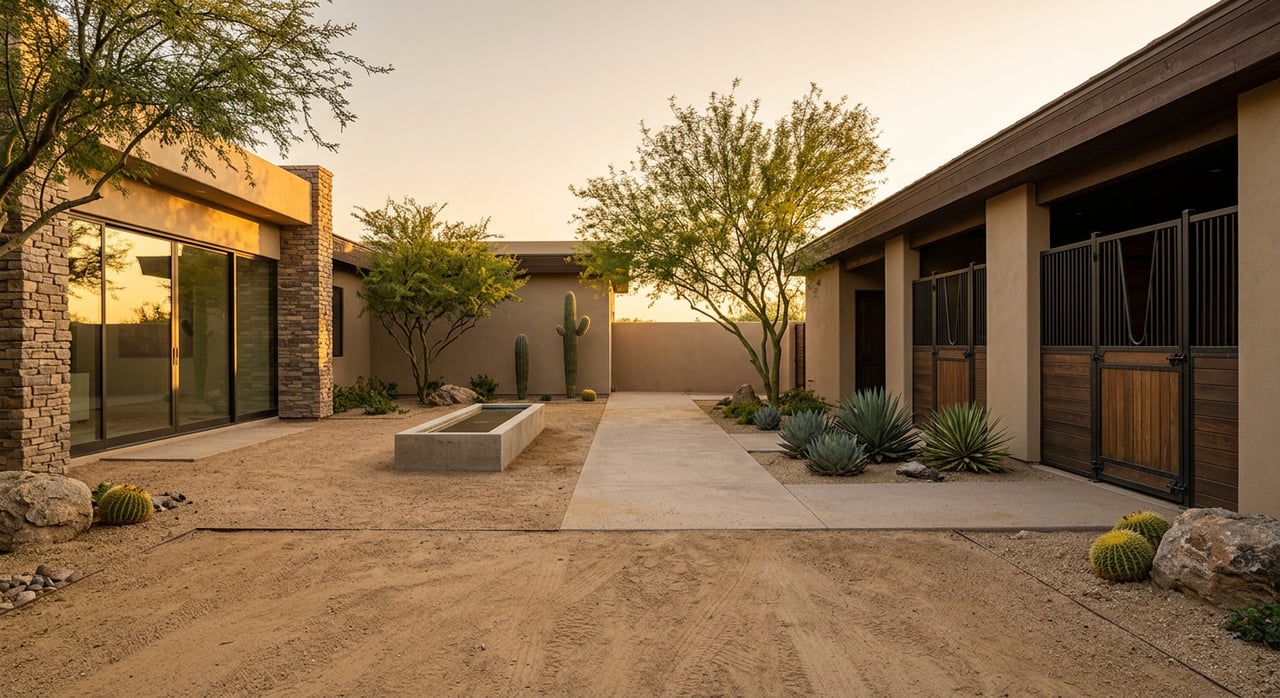
- Barns or detached stables and covered stalls
- Tack rooms, turnouts, pipe or drill-pipe fencing
- Lighted arenas or round pens
- Expanded garages, RV courts, and guest houses
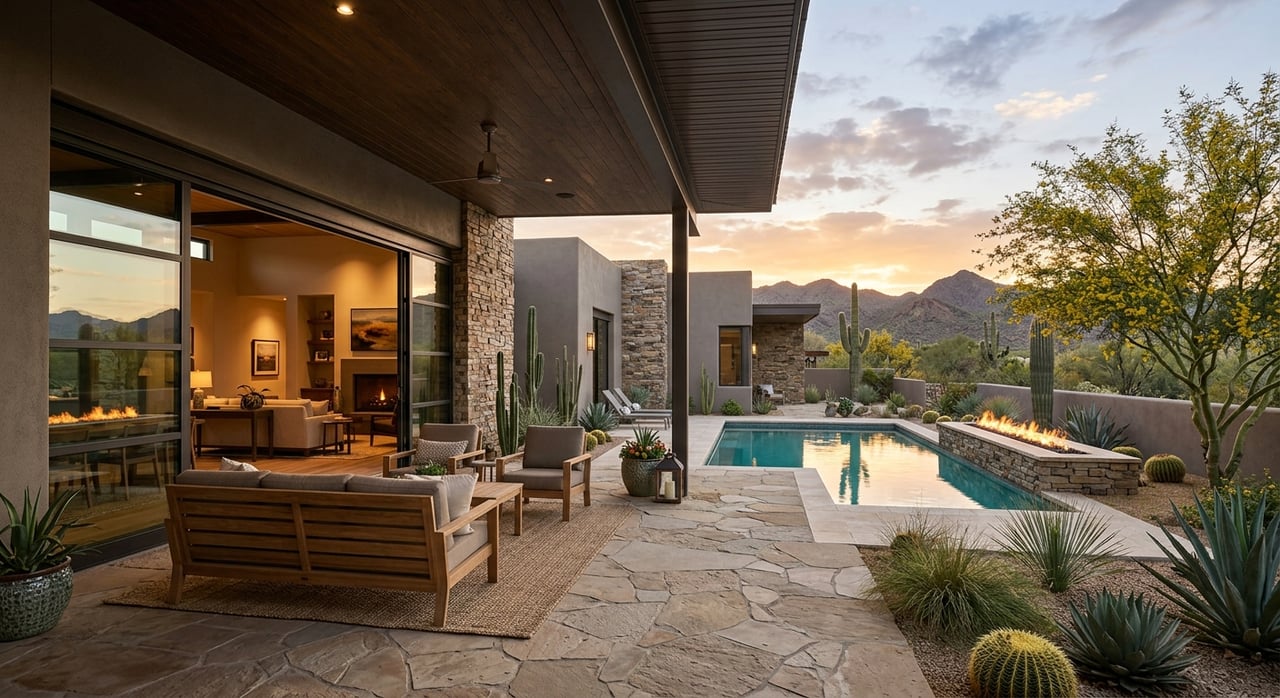
- Resort backyards with pools and sport courts
Pricing and property context
Recent market signals show a wide price band. Entry-level estate and acreage options typically start in the low-to-mid $1 million range. High-end, newer or fully rebuilt estates on near-acre lots often close between $3 million and $6 million or more. Prices vary by lot size, location east or west of 96th Street, quality of improvements, and what you can legally add.
HOA and governance reality
Governance is mixed across the Corridor. Some enclaves have formal HOAs and Architectural Review Committees. Others have light rules or none at all, which can appeal if you want flexibility for RV parking, outbuildings, or animal keeping. Always confirm recorded CC&Rs, any HOA rules, and pending amendments during escrow.
Equestrian lifestyle nearby
Scottsdale’s equestrian culture is strong. WestWorld hosts major events like the Scottsdale Arabian Horse Show, with trainers and service providers close by. You will also find a connected network of trails and preserve access. Review local trail maps and easements, and verify legal access points you plan to use. This trail guide is a helpful starting point.
Zoning basics and horse rules
Zoning sets your baseline. In Scottsdale, low-density single-family districts such as R1-35 have specific minimum lot areas, setbacks, and accessory-structure standards. If you plan new buildings or expansions, review the exact zoning for the parcel and its development standards.
For horses, the City’s guidance on farms, ranches, and stables explains key distinctions:
- Personal horse keeping is generally allowed on single-family lots when a habitable home exists, subject to nuisance and health rules.
- Commercial boarding, training, or lessons involve a different path and may require conditional-use approvals and added infrastructure.
City definitions also separate private stables from commercial operations. If your plans include paid services, factor in the review process early.
Permits and site improvements
Most significant structures and site work will need permits. That includes barns or sizable stables, covered arenas, major grading, pools and ramadas, substantial fencing, and septic-to-sewer conversions. Scottsdale’s SPUR portal centralizes permit applications and records. Use the Scottsdale SPUR portal to:
- Check permit history before you buy
- Verify final approvals and inspections
- Plan timelines and costs for new improvements
Utilities and site setup
Many Corridor properties connect to City of Scottsdale water and sewer. Some legacy parcels may still use septic or other systems. The City’s infrastructure plans show most areas within city sewer service, with small pockets handled differently. Always confirm service for the exact address because sewer availability affects cost and redevelopment options. Review the City’s wastewater planning context in the infrastructure improvements plan.
Water, waste, and fire safety
Estate and equestrian properties use more water. Irrigated turnouts, arena dust control, turf, and pools can raise monthly use. Scottsdale offers water conservation rebates that may help if you plan efficient irrigation or landscape upgrades. Ask for past water bills during due diligence.
Responsible stable operations matter. Manure storage, drainage, and fly control keep your property comfortable and reduce complaints. The City’s farms, ranches, and stables guidance outlines nuisance rules and expectations.
If your lot borders open space or the Preserve, plan for defensible space. Scottsdale has ongoing fuel mitigation programs around the McDowell Sonoran Preserve. This city report to council highlights Preserve management priorities and supports planning for vegetation management at home.
Smart buyer due diligence checklist
Use this list to protect your plans and your budget:
- Confirm boundaries and character: Read the Cactus Corridor Area Plan for context on lot sizes and neighborhood intent.
- Zoning and uses: Verify the parcel’s zoning district and development standards. If you plan lessons, boarding, or training, review the City’s farms, ranches, and stables requirements.
- Permits and history: Pull building and grading records in the Scottsdale SPUR portal. Flag any unpermitted barns, arenas, or guest structures.
- Utilities: Confirm water provider and sewer connection versus septic. Use the City’s infrastructure plan for context and verify at the address level.
- Flood and drainage: Check FEMA maps for washes or flood zones that could affect siting fences, arenas, and outbuildings. See the FEMA Flood Map Service Center.
- CC&Rs and HOAs: Obtain recorded CC&Rs, bylaws, and any ARC guidelines. Confirm rules on animals, arena lighting, guest houses, and RVs.
- Operations and nuisances: Ask for any past dust, odor, or lighting complaints and review manure storage and drainage plans aligned with city guidance.
- Water and landscape: Request past water bills. Price out irrigation upgrades and review rebate options.
- Fire and defensible space: If near open space, plan for vegetation management. Review this Preserve management report for broader context.
Day-to-day living
The Corridor offers a rare balance of space and convenience. You can keep horses at home, host friends by the pool, and reach Scottsdale’s shopping and dining in minutes. Trailheads, parks, schools, and major roads are close by, which makes daily life smooth even with a larger property.
With larger lots comes a bit more planning. Budget for ongoing landscape care, water management, and stable operations if you keep horses. When your parcel, permits, and systems are dialed in, the lifestyle feels effortless.
Ready to explore your options?
If you are dreaming about estate or equestrian living in the Cactus Corridor, you deserve a clear plan and a trusted guide. From zoning checks and permit history to off-market insights and offer strategy, I can help you move forward with confidence. Connect with Angela Totman to schedule a consultation.
FAQs
What and where is the Cactus Corridor?
- It is a Scottsdale character area in Maricopa County, generally bounded by Pima Road, Frank Lloyd Wright Boulevard, Thunderbird Road, and Shea Boulevard, as outlined in the Cactus Corridor Area Plan.
Are horses allowed on every property in the Corridor?
- Many properties are suitable for personal horse keeping, but permissions are parcel-specific; confirm zoning, CC&Rs, and city rules using the farms, ranches, and stables guidance and the Area Plan.
What permits do I need for a barn or arena in Scottsdale?
- Most significant structures and grading require permits; check past approvals and plan new work through the Scottsdale SPUR portal.
Is there city sewer and water service to these lots?
- Many parcels are on City water and sewer, but a few legacy lots may not be; verify service at the address level and review the City’s infrastructure plan.
How much do estate homes cost in the Corridor?
- Market signals show entry estate options starting in the low-to-mid $1 million range, with newer or rebuilt near-acre estates often trading from $3 million to $6 million or more, depending on lot size, location, and improvements.
Can I board horses or teach lessons at home?
- Commercial activities like boarding or paid lessons typically require conditional-use review and added standards; start with the City’s farms, ranches, and stables guidance and confirm requirements for your parcel.
How do I check flood risk on a specific lot?
- Use the FEMA Flood Map Service Center to see if washes or flood zones cross the parcel and plan fences, arenas, and outbuildings accordingly.
Are wildfires a concern near the Preserve?
- Parcels near open space should plan for defensible space and fuel reduction; Scottsdale’s Preserve programs, outlined in this city report to council, provide helpful context for risk management.