If you are shopping for a home in North Phoenix, chances are you will come across an HOA. That can feel like one more layer of paperwork, fees, and rules to figure out, especially if you are also comparing neighborhoods, budgets, and timelines. The good news is that once you understand how HOAs work in Arizona, you can ask smarter questions, avoid surprises, and make a more confident move. Let’s dive in.
Why HOAs Matter in North Phoenix
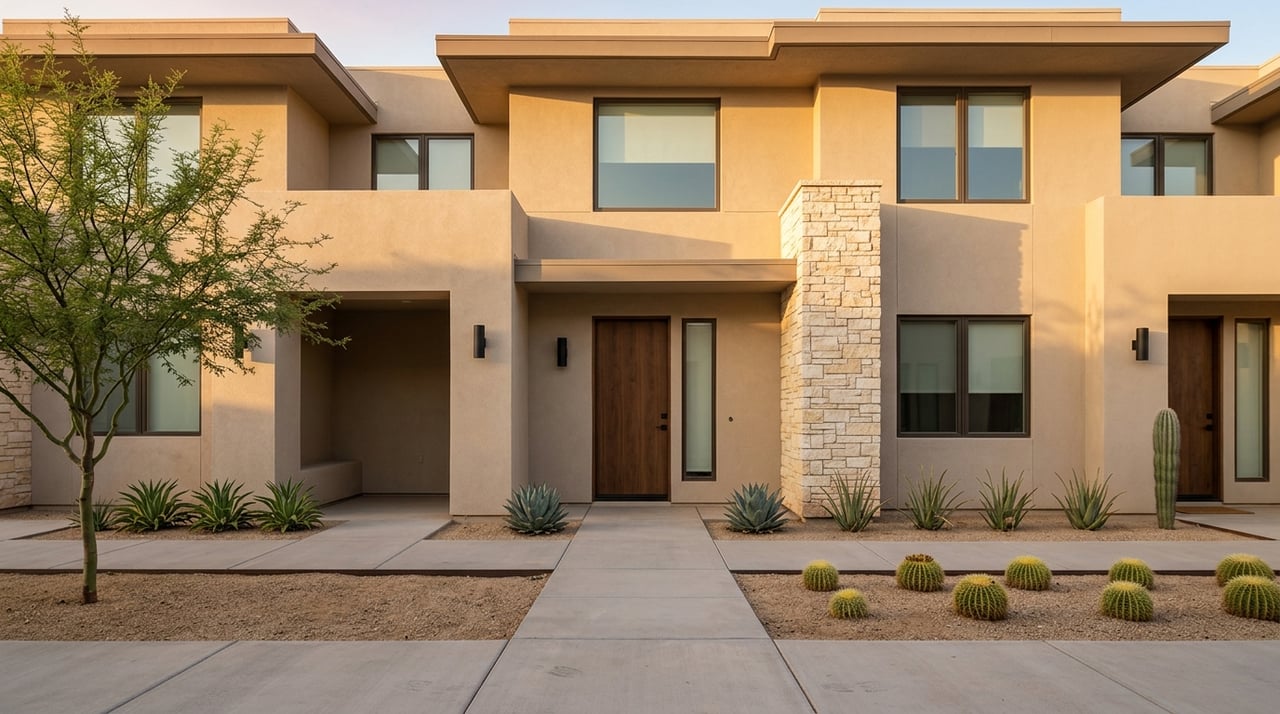
Many North Phoenix communities include homeowners associations, especially in areas with planned developments and shared amenities. The City of Phoenix describes North Gateway as an area with master-planned and diverse residential communities, and its neighborhood registry identifies the Desert Ridge Community Association as a large master association created to maintain the integrity, value, and attractiveness of common areas and residential parcels. You can explore that local context on the City of Phoenix North Gateway page.
HOAs are also common across Arizona as a whole. The Foundation for Community Association Research estimates that about 2.255 million Arizonans live in 902,000 homes in more than 10,200 community associations, and it estimates that homes in community associations are generally valued at least 4% more than other homes. In other words, if you are buying or selling in North Phoenix, HOA details are often a meaningful part of the transaction.
Planned Communities vs Condos
Not every HOA works the same way. In Arizona, a planned community and a condominium are different legal structures, and that difference affects ownership, maintenance, and what documents you should review.
Under Arizona law, a planned community is a development with mandatory membership and assessments used to manage, maintain, or improve property. A condominium is real estate where portions are separately owned and the rest is commonly owned by unit owners. You can review those definitions in the Arizona planned community statutes.
For you as a buyer or seller, the key takeaway is simple: do not assume that one HOA functions like another. A detached home in a planned community may have a very different maintenance setup and fee structure than a condo with shared building elements.
What HOA Dues Usually Cover
One of the first questions buyers ask is, “What do the dues actually pay for?” That is the right question. HOA dues are typically used for common-area maintenance, repairs and replacement, essential services, insurance, landscaping, facilities maintenance, reserves, and amenities such as pools and clubhouses, according to the Foundation for Community Association Research.
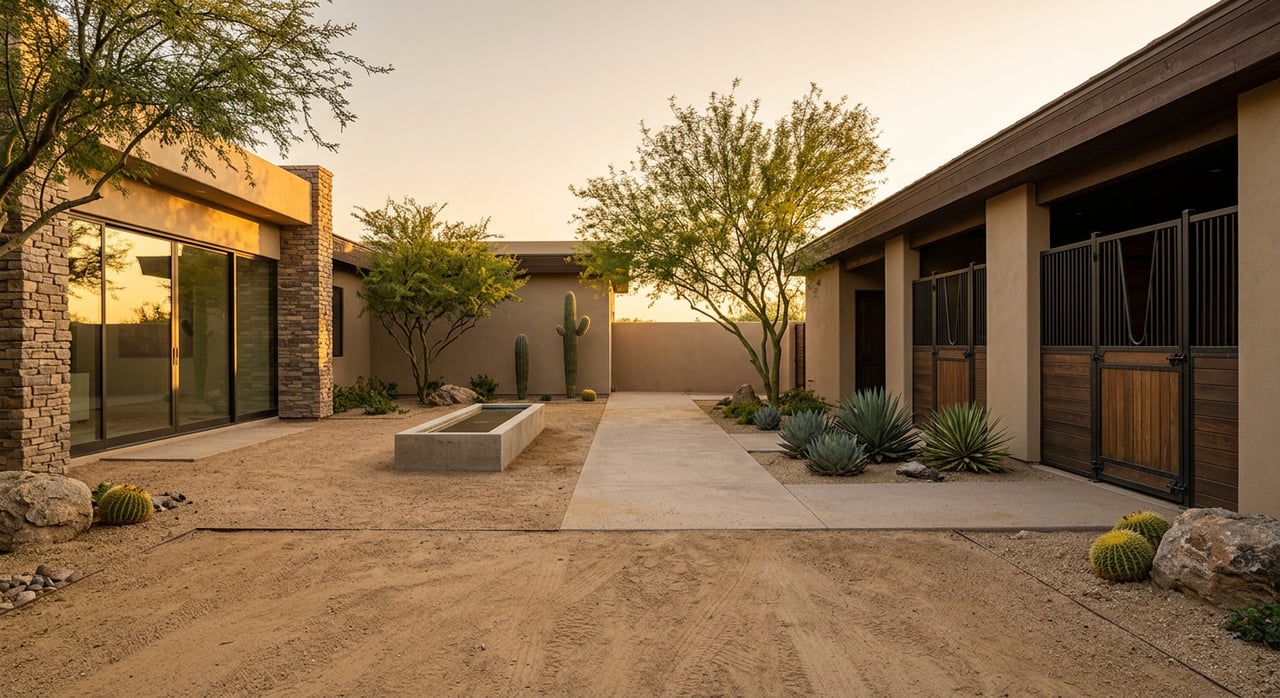
In North Phoenix, that can matter quite a bit because many communities are designed around shared outdoor spaces and maintained common areas. The City of Phoenix highlights scenic washes, mountains, trails, wildlife, and open Sonoran Desert as part of the North Gateway area’s natural amenities, and associations may help maintain the common spaces that support that setting.
Common HOA Rules to Know
HOA rules often shape day-to-day ownership more than buyers expect. In Arizona, community documents frequently address topics like landscaping, RV parking, play equipment, and satellite antennas, according to the ADRE property buyers checklist.
Many planned communities also use architectural or design-review committees. Arizona law says architectural approvals for construction projects may not be unreasonably withheld, which gives owners some protection while still allowing the association to manage design standards.
It is also important to know that Arizona limits certain HOA restrictions. Associations may not prohibit certain flags, political signs, or for-sale, rent, or lease signs, and planned-community open houses are generally limited only by statutory time and size rules under Arizona law. That matters if you are planning future updates, listing your home, or simply want a clearer sense of what the HOA can and cannot control.
How Arizona HOA Meetings and Records Work
Transparency matters when you are buying into a community. Arizona law requires planned-community and condominium meetings to be open to members, with notice and agendas provided in advance. Members or their designated representatives may attend and speak, and open portions of meetings may be audio- or videotaped under the Arizona open meeting statute.
There are limits, of course. Closed sessions are restricted to specific topics such as attorney advice, pending litigation, private personal or financial information, personnel matters, and member appeals of violations. That framework helps balance member access with privacy and legal concerns.
Arizona law also gives members access to many association records. Association books and records must be reasonably available for member review within ten business days, and the association cannot charge for review, though it may charge up to 15 cents per page for copies. You can see those requirements in the Arizona records statute.
Assessment Increases and Financial Oversight
Monthly or quarterly dues are only part of the picture. You also want to understand how the association handles budgeting, reserves, and future costs.
For planned communities in Arizona, regular assessments generally cannot increase by more than 20% over the prior fiscal year without majority approval unless the community documents set a lower limit. Planned communities must also provide an annual financial audit, review, or compilation within 180 days after the fiscal year ends, and it must be made available to members within 30 days of completion. Condominium associations also must provide an annual financial audit, review, or compilation under A.R.S. § 33-1803.
That does not mean every HOA has the same financial strength. It does mean there is a framework for financial reporting that buyers should review carefully before closing.
What Buyers Should Review Before Closing
If you are buying in an HOA community, the resale disclosure packet is one of the most important parts of your due diligence. In Arizona, after a pending sale notice, the seller or association provides documents that can reveal routine costs, reserve strength, insurance information, and possible legal issues.
According to A.R.S. § 33-1806, the resale packet for planned communities and condominiums includes items such as:
- The declaration, bylaws, and rules
- Current contact information for the association
- Amounts due
- Whether part of the property is covered by association insurance
- Reserve balances
- The current operating budget
- The most recent annual financial report
- The most recent reserve study, if there is one
- Litigation information
The packet also addresses prior unapproved alterations or improvements, and sellers remain responsible for disclosing known violations. Buyers also sign an acknowledgment that the governing documents are a contract and that unpaid assessments can lead to foreclosure.
What to Check in New Construction
If you are buying a new-build home in North Phoenix, there is another document to look at early. The Arizona Department of Real Estate says the Public Report must be provided before you sign the purchase contract. That report includes common community and recreation facilities, taxes and assessments, and property owners association details, as explained in the ADRE buyers checklist.
This is especially helpful in newer North Phoenix communities where amenities, phases, and association structures may still be taking shape. Reviewing that information up front can help you understand not only your current costs, but also the broader community setup.
What Sellers Should Prepare
Sellers in HOA communities have their own checklist. If you are listing your North Phoenix home, it helps to gather your HOA information early so there are fewer delays once you accept an offer.
Start with the basics:
- Current HOA dues and payment schedule
- Community contact information
- Any pending violations or unresolved issues
- Details about past exterior changes or improvements
- Recent HOA notices that may affect the buyer
This matters because the resale packet will surface many of these items anyway. Getting ahead of them can make your transaction smoother and reduce last-minute surprises.
When HOA Questions or Disputes Come Up
Sometimes buyers or owners want to know who regulates an HOA in Arizona. The Arizona Department of Real Estate says it does not regulate HOAs, but it does oversee an HOA dispute process outside civil court and directs consumers to county recorder offices to look up community documents. You can find that guidance on the ADRE HOA consumer page.
If you are unsure about a community’s rules, records, or disclosures, the best first step is usually to review the governing documents and ask specific questions before moving forward. Clear information early is almost always easier than trying to solve a surprise later.
How to Approach HOA Communities Confidently
An HOA is not automatically a positive or a negative. It is simply part of how many North Phoenix communities are organized and maintained. The key is understanding the fees, rules, records, and financial condition of the association before you buy, and presenting that information clearly if you sell.
If you want help comparing North Phoenix HOA communities, reviewing resale disclosures, or pricing and preparing an HOA property for the market, Angela Totman can help you navigate the details with a clear, consultative approach.
FAQs
What is the difference between a planned community and a condo in North Phoenix?
- In Arizona, a planned community has mandatory membership and assessments used to manage, maintain, or improve property, while a condominium involves separate ownership of units and shared ownership of common areas.
What do HOA dues usually cover in North Phoenix communities?
- HOA dues typically help pay for common-area maintenance, repairs and replacement, essential services, insurance, landscaping, facilities maintenance, reserves, and amenities such as pools and clubhouses.
What documents should a buyer review for an HOA home in Arizona?
- Buyers should review the resale disclosure packet, including the declaration, bylaws, rules, budget, reserve balances, annual financial report, reserve study if available, insurance details, and litigation information.
Can an Arizona HOA stop you from holding an open house or putting up a for-sale sign?
- Arizona law limits HOA restrictions on certain real estate marketing activities, and planned-community open houses are generally limited only by statutory time and size rules.
How can a homeowner review HOA records in Arizona?
- Arizona law says association books and records must be reasonably available for member review within ten business days, with some exceptions for protected records.