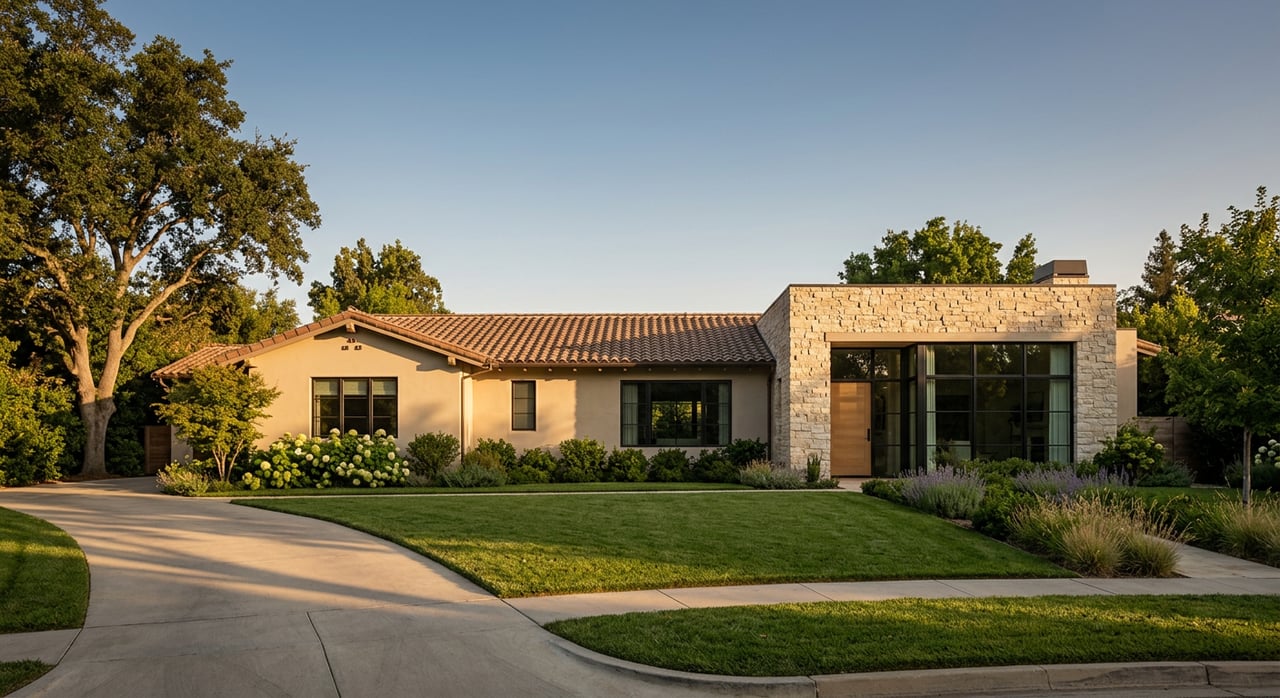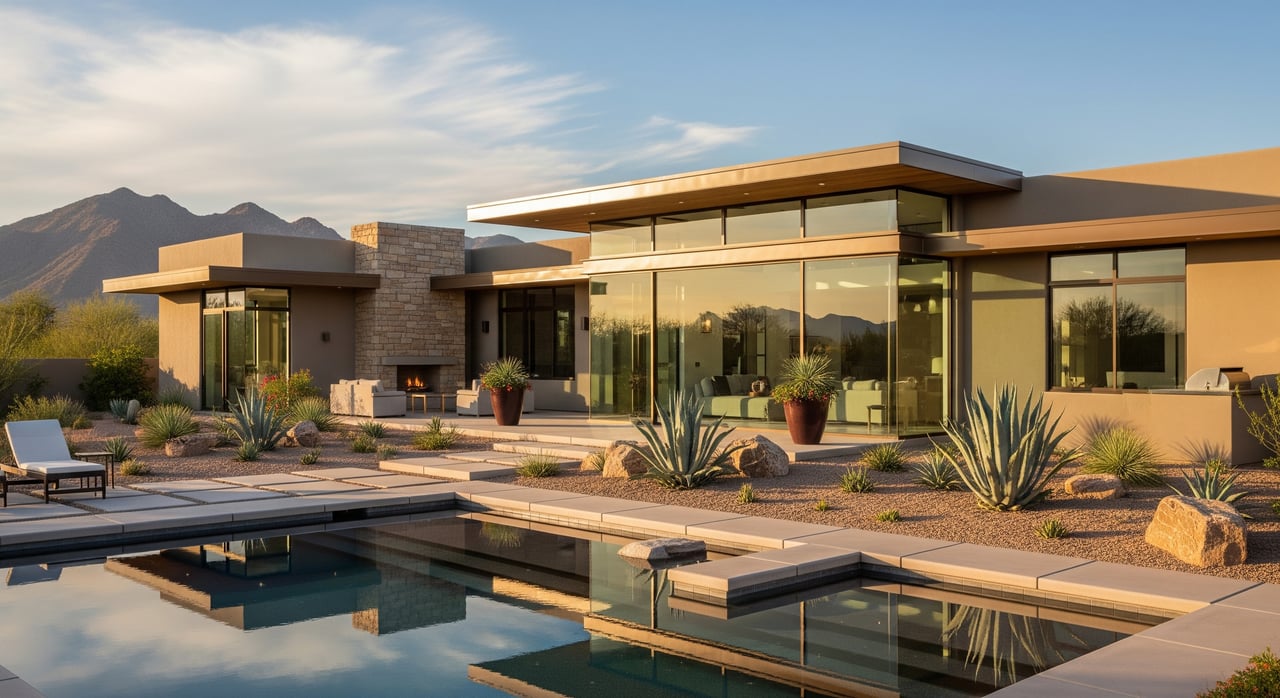
Picture this: you step onto your patio with coffee in hand and watch the morning sun wash over a lush fairway. If you’re considering a golf‑course lifestyle in Maricopa’s Cactus Corridor, you likely want those views and an easy way to plug into a welcoming community. At the same time, you want clear answers about memberships, HOA rules, water use, and long‑term value. In this guide, you’ll learn how golf‑adjacent living truly works in the Cactus Corridor so you can decide with confidence. Let’s dive in.
What “golf‑adjacent” means here
Golf‑adjacent and golf‑front homes sit along a course or face it. You may enjoy uninterrupted views, walking or cart access, and a strong social scene. Still, living on the fairway does not always include club benefits.
A golf‑community is a master‑planned neighborhood built around a course, often with a clubhouse, dining, pool, and organized events. Many communities in and around Maricopa and the broader south‑corridor are designed this way as the region has grown.
You’ll also see homes marketed as “near golf.” These are close to public or municipal courses but not part of a golf HOA. The lifestyle can be similar without the same HOA or club obligations.
The desert climate shapes everything. Water use, irrigation timing, and turf maintenance drive how courses look and operate. That means you get beautiful green space against a Sonoran backdrop, plus some practical tradeoffs to understand.
Membership models and daily life
Private, semi‑private, and public courses
- Private clubs are for members only. Living next to the course usually does not include membership. Expect initiation fees and monthly dues if you choose to join.
- Semi‑private courses offer member priority with some public tee times. Residents may get discounts, but it is not guaranteed.
- Public or resort courses are open to everyone. You’ll see more outside play and events, with fewer ongoing membership obligations.
- Equity vs non‑equity memberships differ in ownership rights. Equity can include transfer rights, while non‑equity is access without a stake in the club.
What adjacency actually includes
Confirm whether the home’s location provides any club perks. Some communities offer optional memberships or preferred tee times. Others keep club access completely separate from homeownership. Before you fall in love with a view lot, ask in writing what is included and what is not.
Noise, events, and carts
Daily maintenance often happens early in the morning. Mowing, irrigation, and occasional equipment noise can be part of everyday life on the fairway. Clubhouses may host tournaments, weddings, and corporate outings. That can mean extra traffic and parking on event days.
Golf‑cart use varies by community. Some neighborhoods allow you to drive a cart from your garage to the course using designated paths. Others restrict carts to course property only. Get a copy of the cart path map and rules before you buy.
HOA, CC&Rs, and fees
What dues typically cover
HOA dues often include common‑area landscaping, community turf strips, and amenity upkeep. If the community runs the course or supports shared facilities, you may see higher dues. Club fees are separate when a private entity operates the course. You may also encounter transfer fees or capital contributions when a home sells.
Special assessments can occur. Examples include irrigation system replacement, greens renovation, or clubhouse upgrades. Review recent budgets and reserve studies to understand the risk of future assessments.
Who owns the course matters
Some courses are owned by the HOA. Others are owned by a private club or managed by a third party. Ownership affects your financial exposure as a homeowner. If the HOA owns the course, major repairs may involve community‑wide decisions and assessments. If a private operator owns it, changes to access or business model can still impact your lifestyle and resale value.
Use and rental rules
CC&Rs and community rules often set standards for exterior modifications, guest parking, and golf‑cart parking. Many golf communities include rental restrictions, such as minimum lease terms or caps on the number of rentals. If you plan to rent seasonally or operate a long‑term rental, read these rules closely.
Liability and insurance
Common areas and the course are typically insured by the HOA or club. Still, golf‑front homes face occasional ball‑strike risk. Consider higher personal liability limits and verify whether your HOA requires specific coverage. Ask to review any available insurance certificates for the HOA and club.
Lots, landscaping, and maintenance in the desert
Lot types and buffers
- Golf‑front or view lots often command a price premium because of unobstructed views and outdoor living appeal.
- Buffer lots sit behind a landscaped strip, fence, or cart path between your yard and the fairway. This can reduce foot traffic near your fence while preserving views.
- Homes near practice areas, maintenance yards, or busy cart paths may experience more noise or activity. Walk the property at different times to gauge your comfort.
Water and irrigation realities
Desert climate means careful turf management and irrigation. Expect early morning watering. Overspray or runoff can happen along edges where fairway turf meets private lots. Ask about the HOA or course’s irrigation schedule and how they handle overspray.
Water availability and tiered pricing can influence your monthly costs. Some communities are shifting toward drought‑tolerant landscaping or reduced turf. Others keep full turf for playability and aesthetics. Each approach affects the look and long‑term maintenance of your surroundings.
Safety, easements, and privacy
Stray golf balls are part of the environment. Look for signs of prior ball strikes, protective netting, and tree placement. Review the plat map for easements that allow maintenance access along the course edge. If lighting is present for evening events, confirm hours and whether shielding or landscaping mitigates glare.
Owner vs HOA maintenance
Front or side yard landscaping is sometimes covered by the HOA in certain neighborhoods, especially in lock‑and‑leave settings. Rear yards that face the course are often the owner’s responsibility, and plant choices may be restricted to an approved palette. Fencing and wall maintenance responsibilities are usually set in the CC&Rs. Clarify who maintains shared walls and what standards apply.
Resale value and market fit
Who chooses golf properties
Golf‑oriented homes attract a range of buyers, including seasonal residents, active adults, and anyone who values views, social amenities, and ease of exterior care. Even if you do not play, a well‑maintained course provides open space and a calm backdrop that many homeowners love.
Value drivers and risks
Strong value drivers include established course conditions, a well‑run clubhouse, integrated community events, and HOA models that cover front landscaping. Risks include financially strained courses, deferred maintenance, major redesigns that prompt assessments, or a change from private to public operation that alters access and activity levels.
If a course closes or changes hands, nearby home values can be affected. This is why reviewing course ownership and financial direction is just as important as inspecting the home itself.
Cost comparisons matter
Buyers often compare HOA dues, any club fees, and typical water costs against non‑golf properties. Total monthly carrying cost drives affordability and demand. As a seller, clear disclosure of dues and recent assessment history builds trust and can speed up negotiations. As a buyer, plan and budget for dues and any optional club membership from day one.
Your due‑diligence checklist
Use this list to verify details before you write an offer on a golf‑adjacent property in the Cactus Corridor:
Documents to request:
- CC&Rs, bylaws, rules and regulations, recent HOA meeting minutes, budget, and reserve study.
- Club membership agreement, fee schedule, bylaws, initiation and transfer policies, and any capital assessments.
- Plat map showing course setbacks, cart paths, and any maintenance easements.
- Maintenance contracts and current or planned capital improvement projects for the course and common areas.
- Disclosures of known nuisances such as irrigation overspray, event noise, and ball‑strike history if available.
On‑site checks:
- Visit early morning and late afternoon to observe irrigation, maintenance, and event activity.
- Walk the yard for signs of ball strikes, fence repairs, or netting; stand at the tee box to judge flight paths.
- Note sun angles and shade patterns across seasons for patio comfort.
Financial review:
- Add up total monthly costs: HOA dues, optional club dues, typical water/irrigation, and routine exterior maintenance.
- Ask about recent or upcoming special assessments, especially for irrigation or clubhouse projects.
Lifestyle fit:
- Confirm golf‑cart rules and whether you can drive from your garage to the course.
- Review guest, parking, and rental rules if you plan to host or rent.
- Check nearby services and your commute to work or the airport, especially during seasonal peaks.
How a trusted advisor helps
Buying on a fairway blends lifestyle goals with extra due diligence. You want someone who understands the difference between living next to a course and actually having club privileges, who reads HOA and club documents with care, and who can price the view and amenity premium with local comps.
With a consultative approach and deep neighborhood experience across Greater Phoenix, you get clear guidance on membership models, HOA health, and lot‑level risk factors such as irrigation or ball strikes. You also get a pricing strategy that accounts for dues, assessments, and long‑term value so you can move forward with confidence.
If you are exploring golf‑course living in Maricopa’s Cactus Corridor, let’s talk about your wish list, budget, and timeline. When you are ready, reach out to Angela Totman to start your search or request a custom property list.
FAQs
What does “golf‑adjacent” mean for a Maricopa home?
- It means the home sits along or near a course, often with views and easy access, but it does not automatically include club membership or tee‑time priority.
Do homeowners automatically get club membership in golf communities?
- No. Membership is usually optional and requires separate initiation fees and dues, even if your backyard faces the fairway.
What fees should I expect when buying in a golf community?
- Plan for HOA dues, possible transfer or capital contribution fees at closing, and separate club dues if you opt into membership; special assessments can occur for major projects.
Are irrigation and water costs a big factor in the desert?
- Yes. Water and turf management drive course operations, and your own landscaping choices and local rates can affect monthly carrying costs.
How do I evaluate ball‑strike risk on a golf‑front lot?
- Check for past window or fence repairs, look at netting or tree placement, and stand at nearby tees to see typical shot paths toward the property.
What should investors know about rentals in golf communities?
- Review CC&Rs for rental terms and caps, confirm guest and parking rules, and factor HOA and club policies into your cash‑flow projections before you buy.