Looking for a Phoenix neighborhood that still feels rooted in the city’s past? The North Central Corridor stands out for its mature trees, wide lots, and homes that reflect decades of architectural history. If you want a place with classic character, room to grow, and close-in access to city amenities, this guide will help you understand what makes this corridor so appealing. Let’s dive in.
Why North Central Corridor Stands Out
North Central Avenue has long held a special place in Phoenix. City planning documents describe it as a residential corridor known for lush landscaping, architectural variety, and convenient access to downtown businesses and shopping. That combination gives you a neighborhood setting that feels established while still keeping daily conveniences close by.
A big part of the area’s identity is the avenue itself. In the city’s North Central Avenue Special Planning District, the core area is generally tied to properties fronting Central Avenue from Northern Avenue to Missouri Avenue. That helps explain why so many buyers associate North Central with a distinct look and feel rather than just a zip code.
Classic Phoenix Charm Starts Outside
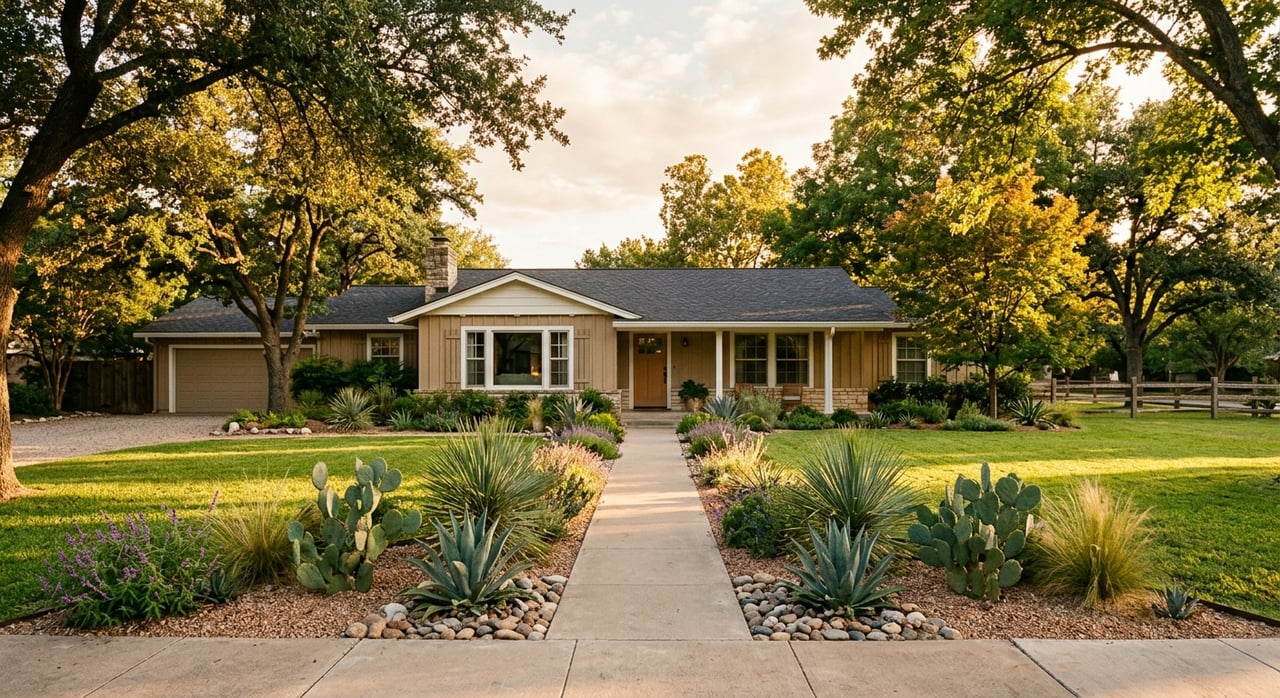
One of the first things you notice here is the streetscape. Phoenix planning materials describe Central Avenue as tree-lined, shaded by mature olive and ash trees, and shaped by an irrigation lateral that adds to its long-standing scenic character. It does not read like a typical suburban street, and that difference is part of the appeal.
The Murphy Bridle Path adds even more personality. The city describes it as a decomposed-granite multi-use trail for pedestrians, cyclists, and equestrians, and notes that it has been an important recreation feature since the 1940s. For many buyers, that trail helps create the peaceful, lived-in atmosphere that makes North Central memorable.
Large lots also play a major role in the corridor’s charm. City documents describe generous setbacks and some older homes with front yard setbacks as deep as 150 feet. In an era when many buyers are used to tighter lot lines, that extra breathing room can feel especially rare.
Homes Span Multiple Eras
If you love homes with personality, North Central gives you more than one style to explore. Phoenix historic survey materials identify properties dating from the early 1900s through the late 1930s, and the city notes that the post-World War II building boom added ranch-style homes in the 1945 to 1950s period. That means you are not shopping in a one-note neighborhood.
Instead, you will find a layered mix of housing from different eras. The city describes the architecture as diverse, with custom homes from early building periods interspersed throughout the area. Some buyers are drawn to early estate-style homes, while others prefer the simpler lines and practical layouts often found in later ranch homes.
This variety is one reason the corridor feels so established. Rather than rows of similar homes built all at once, the area developed over time. That pattern gives you a streetscape with more visual interest and a stronger sense of Phoenix history.
Lot Sizes Help Define the Neighborhood
The lot pattern in North Central is not a small detail. It is one of the main features that shapes the neighborhood experience. Phoenix planning documents say lots in the area range from about one-third acre to nearly three acres, which is much different from what you see in many newer subdivisions.
Those larger lots can open up more possibilities for buyers. You may find space for expanded outdoor living, mature landscaping, detached structures, or future updates, depending on the property and applicable city requirements. For buyers who want both charm and flexibility, that can be a major advantage.
What Buyers Often Love Most
North Central Corridor tends to appeal to buyers who want more than a house. They want a setting with a sense of place. Based on city planning materials and local amenity patterns, buyers are often drawn to:
- Mature trees and shaded streets
- Older homes with distinct architectural character
- Large lots and deeper setbacks
- The Murphy Bridle Path lifestyle
- Quick access to dining, museums, and cultural destinations
- A residential feel close to central Phoenix amenities
That mix can be hard to find in one neighborhood. It is especially appealing if you want a home that feels established without giving up access to the broader city.
Renovation Potential Comes With Important Rules
Many North Central homes offer renovation upside. Older properties on substantial lots can be appealing if you want to update finishes, rework living spaces, or improve outdoor areas over time. For the right buyer, that creates an opportunity to blend historic character with modern function.
At the same time, this is not a neighborhood where every project is handled the same way. The North Central Avenue Special Planning District includes standards related to frontage width, setbacks, wall heights, and garage treatment so that new work stays more consistent with the corridor’s large-lot character. Those guardrails matter if you are thinking beyond cosmetic updates.
Phoenix also requires residential permits for many common remodel and addition projects. According to the city, that can include garage or carport conversions, porch enclosures, demolition, patio covers, and new fences or walls. If you are considering a purchase because of renovation potential, it helps to understand those requirements early.
Historic Status Can Change the Process
Not every older home in North Central will have the same review path. Phoenix survey work identified dozens of properties in the area as eligible for historic designation, and some were later listed or protected with historic overlay zoning. That is why two homes with similar age and style may not have identical rules.
For historic properties, the city says exterior changes or changes in appearance are reviewed, while routine maintenance and interior work that does not affect the exterior generally are not. The city also offers exterior rehabilitation assistance for eligible historic homes in designated districts or on the Phoenix Historic Property Register. If preservation matters to you, or if you want to remodel, this is an important part of your due diligence.
Lifestyle Beyond the Front Door
One of the strongest selling points for North Central is how it balances residential character with city access. Visit Phoenix describes Central Avenue as a dining trail from midtown to uptown, which speaks to the everyday convenience of living nearby. You can enjoy a quieter home setting while staying close to places people already love to visit.
The corridor also connects you to major arts and culture destinations. The Heard Museum and Phoenix Art Museum sit directly on Central Avenue, reinforcing the area’s role as more than just a residential address. If you value proximity to museums, public art, and performing arts, this part of Phoenix offers a strong location advantage.
Nearby Uptown landmarks also add to the area’s context. The city notes that Uptown Plaza near Camelback and Central opened in 1957, which ties into the corridor’s long midcentury Phoenix story. For buyers who appreciate neighborhoods with continuity and a recognizable identity, that history can be meaningful.
Is North Central Corridor Right for You?
This neighborhood may be a strong fit if you want a home with character, lot space, and central location. It can also make sense if you appreciate the idea of buying into an area where the streetscape, setbacks, and architectural mix have been important enough for the city to actively preserve. That kind of planning can help protect the feel that draws buyers here in the first place.
It may be especially appealing if you are comparing newer construction against established Phoenix neighborhoods. In North Central, the value is not just inside the home. It also shows up in the trees, the trail, the lot dimensions, and the sense that the area developed over generations rather than all at once.
If you are exploring North Central Corridor homes, it helps to have guidance that goes beyond a basic online search. From understanding lot patterns and architectural styles to spotting renovation opportunities and potential review requirements, local insight can make your decision much clearer. When you are ready to talk through your options, connect with Angela Totman for personalized guidance on buying or selling in Greater Phoenix.
FAQs
What makes North Central Corridor homes feel classic Phoenix?
- North Central Corridor homes are known for mature trees, large lots, generous setbacks, architectural variety, and a long-established streetscape tied closely to Central Avenue and the Murphy Bridle Path.
How old are homes in North Central Corridor Phoenix?
- Homes in the corridor include early 1900s estate homes, 1920s and 1930s properties, and postwar ranch-style homes added during the 1945 to 1950s building boom.
Are lot sizes larger in North Central Corridor?
- Yes. Phoenix planning documents say lots in the area range from about one-third acre to nearly three acres, with wider frontage and deeper setbacks than many newer neighborhoods.
Can you renovate a home in North Central Corridor Phoenix?
- Yes, but many projects require city permits, and some homes may be subject to additional design or historic review depending on the property’s status and the type of work planned.
What is the Murphy Bridle Path in North Central Phoenix?
- The Murphy Bridle Path is a decomposed-granite multi-use trail along Central Avenue used by pedestrians, cyclists, and equestrians, and it has been a recreation feature in the area since the 1940s.
What amenities are near North Central Corridor homes?
- The area offers access to dining along Central Avenue, nearby Uptown destinations, and cultural attractions including the Heard Museum and Phoenix Art Museum.