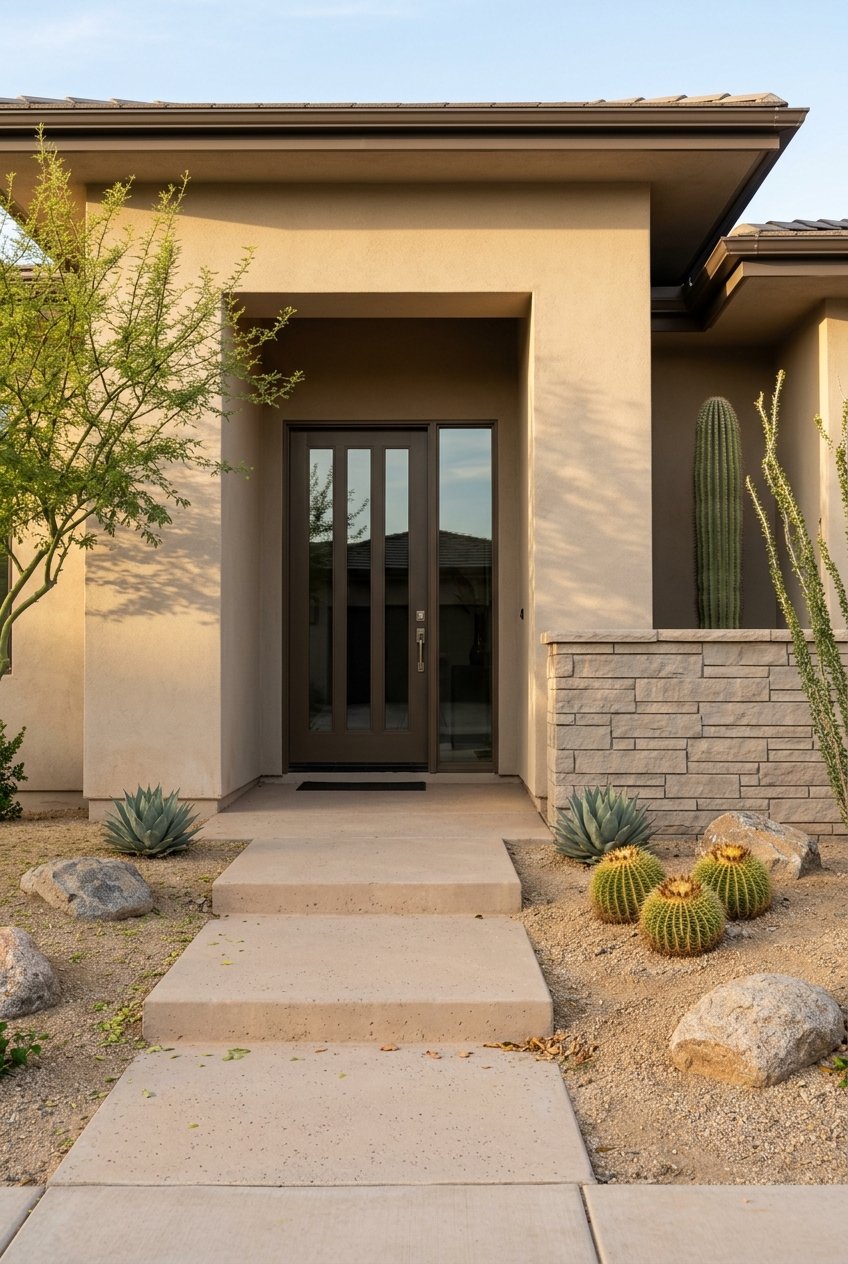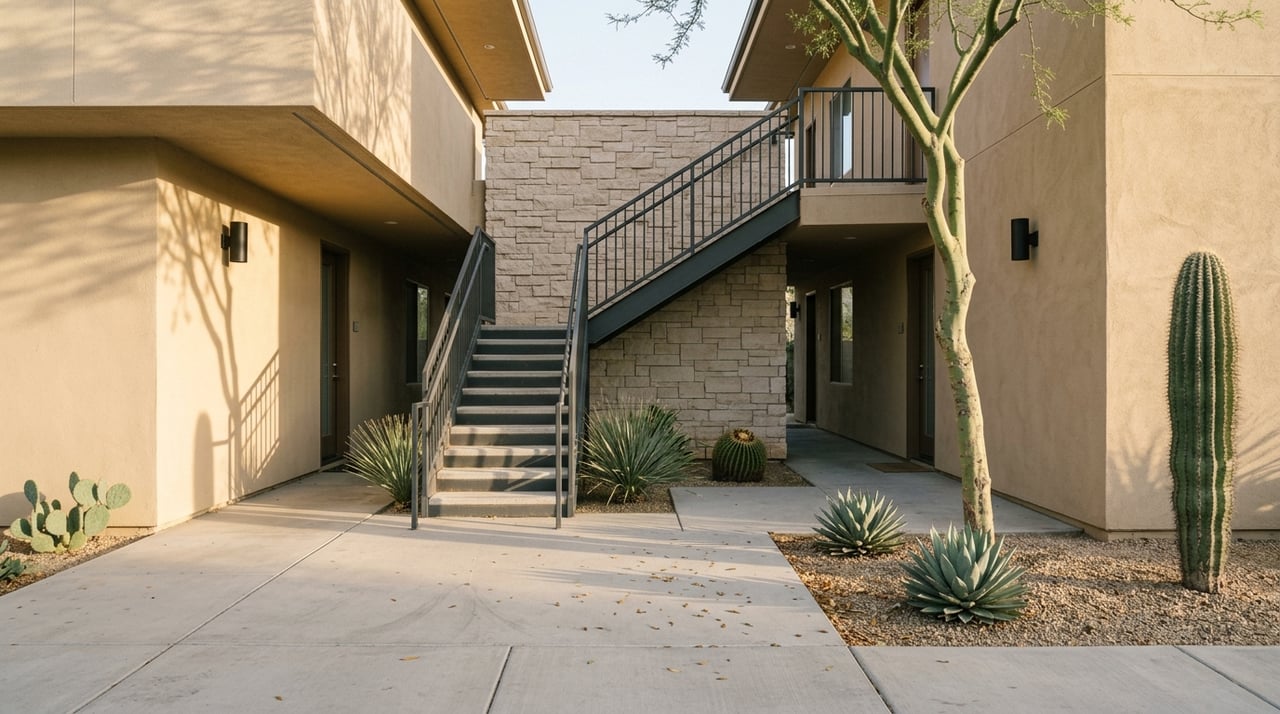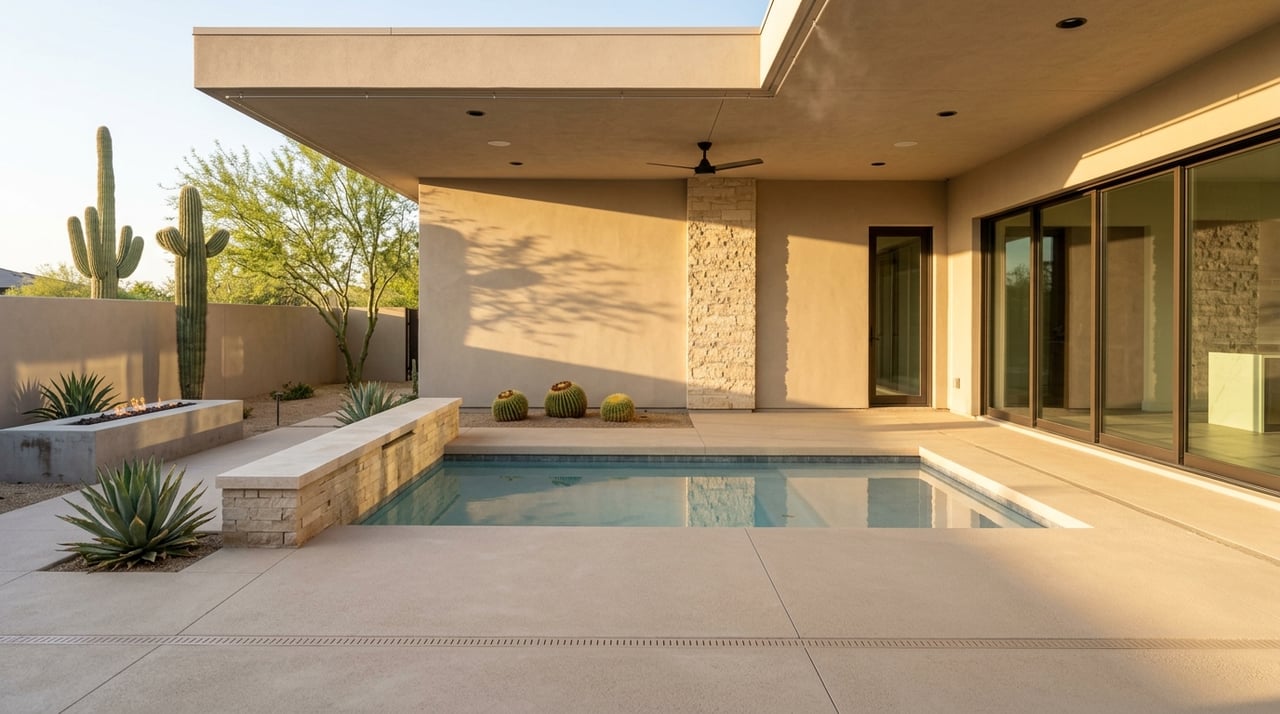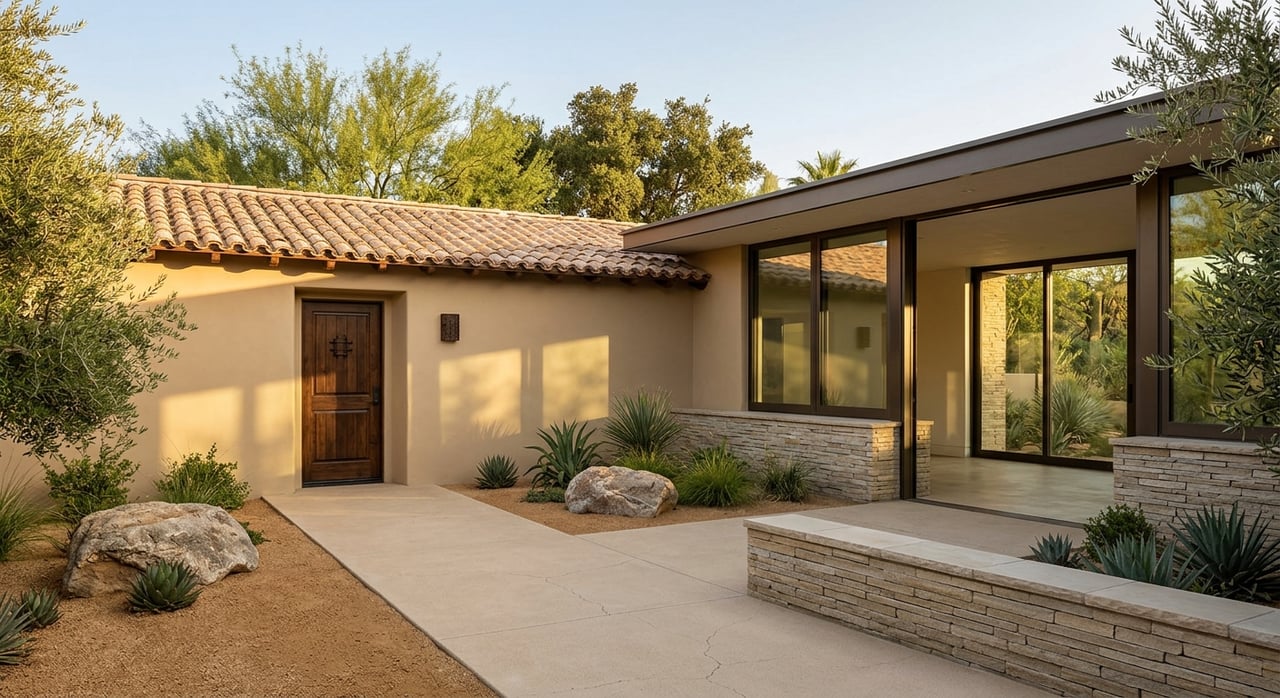
If you are shopping luxury real estate in Paradise Valley, one question can shape your entire strategy: should you choose a brand-new custom home or an updated estate with an established setting? In this market, that decision is about much more than finishes and floor plans. You also need to think about lot size, views, privacy, setbacks, slope, and the Town’s development rules. This guide will help you compare both paths so you can make a smart, confident move in Paradise Valley. Let’s dive in.
Why the lot matters most
In Paradise Valley, the lot is a major part of the value story. The Town’s 2022 General Plan describes Paradise Valley as a premier, low-density residential community focused on preserving privacy, quiet and dark-night skies, open space, mountain views, and neighborhood-compatible land use.
That matters because luxury value here is not just about the home itself. It is also about the setting around it, the one-acre minimum pattern in much of the Town, and how the site supports views, outdoor living, and a sense of separation.
For many buyers, the lot should be the first filter. A beautiful house can be changed over time, but a limited building envelope or a constrained site is much harder to solve.
Paradise Valley market snapshot
Paradise Valley gives luxury buyers meaningful choice right now. According to the April 2026 Scottsdale REALTORS® market report, the area had 9.38 months of inventory, 319 active listings, a median list price of $4,999,999, a median sold price of $2,954,000, a 95.2% sold-to-list ratio, and 54 median days in RPR.
For you as a buyer, that can mean more room to compare options carefully. For sellers, it points to the importance of strong pricing, polished presentation, and a clear value story, especially when a property is competing as either a premium build site, a new luxury home, or a renovated estate.
New construction vs renovated estate
Both options can work well in Paradise Valley, but they serve different goals. The better fit usually depends on how much you value design control, timeline, efficiency, and the quality of the underlying lot.
Choose new construction for control
New construction often makes the most sense if you want a home designed around your lifestyle from day one. You can shape the floor plan, orient living spaces toward views, and build with the site’s geometry in mind instead of adapting to an older layout.
This path can also support stronger energy performance. Paradise Valley uses an Energy Efficiency Certificate with local minimum benchmarks for walls, ceilings, ducts, glazing, HVAC efficiency, and air leakage, including standards such as R-13 walls, R-38 ceilings, R-8 ducts, a maximum U-factor of 0.40, maximum SHGC of 0.25, minimum SEER of 12, and a maximum of 5 air changes per hour.
The U.S. Department of Energy also notes that adding insulation during construction is generally more cost-effective than retrofitting it later. ENERGY STAR states that certified homes are at least 10% more energy efficient than homes built to code and can deliver at least 10% savings on annual utility bills.
If you want a clean-slate product with newer systems and a plan tailored to the lot, new construction can be very appealing. In Paradise Valley, that can be especially valuable when the site has strong view potential and enough flexibility to create the home you really want.
Choose renovation for lot character
A renovated estate can be the better move when the lot is already exceptional. If a property already has mature landscaping, a strong view corridor, good privacy, and an established architectural presence, preserving and improving the house may offer the best balance of character and function.
This option can also appeal to buyers who want a more immediate result than a full custom build. You may be able to keep the core advantages of the parcel while updating comfort, finishes, and systems.
Still, renovation is not always the simpler path. The Department of Energy notes that upgrades such as windows, air sealing, and insulation can improve comfort and reduce energy loss, but building those features into new construction is usually more straightforward.
In Paradise Valley, a major remodel can also trigger significant requirements. That means a renovation should be judged by more than the word “update.” You need to understand what the site already offers and what the scope of work will require.
Zoning rules shape your options
In Paradise Valley, zoning can change the economics of a deal quickly. Before you choose a teardown, remodel, or completed home, it helps to understand the basic development framework.
R-43 and R-175 basics
R-43 is the standard one-acre residential baseline in Paradise Valley. It requires a minimum lot size of 43,560 square feet, a minimum lot width of 165 feet, 40-foot front and rear setbacks, 20-foot side setbacks, a 25% floor-area ratio, and a two-story limit.
R-175 is the larger estate category. It requires a minimum lot size of 175,000 square feet, a minimum lot width of 165 feet, a 25% floor-area ratio, and a two-story limit, with 100-foot front and rear setbacks where no pre-1991 primary building exists.
For you, these numbers matter because they affect the buildable envelope. Two properties with similar acreage can still offer very different design opportunities depending on setbacks, existing improvements, and site conditions.
Hillside review can be a major factor
Paradise Valley defines hillside development areas as parcels where any part of the land or building pad is on a 10% slope or greater. On those sites, Article XXII is designed to reduce grading, preserve vegetation and drainage, limit exterior lighting, and protect open space, mountain views, and natural features.
If a property falls into that category, the Hillside Building Committee reviews items such as land disturbance, heights, lighting, materials, grading, and drainage. That review can have a major impact on design choices, timeline, and cost.
For luxury buyers, hillside conditions are not automatically a negative. They can come with dramatic views and a special setting. But they do need careful evaluation before you assume a lot can support a certain house plan.
What new builds and major remodels require
One of the biggest differences between dreaming about a project and actually doing one is the permit and engineering process. In Paradise Valley, both new homes and larger remodels can involve detailed site and utility requirements.
The Town’s new home and remodel requirements include items such as:
- Undergrounding electrical and electronic wires from the property line to the service panel
- Fire sprinklers for new structures
- Sewer or wastewater approvals where applicable
- Engineered grading and drainage plans
- Retention calculations
- Native plant inventory and salvage plans
- Finished-floor elevations certified above the 100-year storm elevation
These requirements can affect budget, schedule, and even design decisions. They are part of the reason a property that looks straightforward at first glance may become more complex during due diligence.
Permit materials also show that demolition permits are required once more than 12 linear feet of wall or fence, or 12 square feet of roof structure, will be removed. Larger projects may also require dust-control, septic, fire-sprinkler, and hillside-review steps before a permit is issued.
How to decide which path fits you
The right answer usually comes down to your priorities. In Paradise Valley, the best choice is often less about whether a home is old or new and more about whether the lot supports your long-term goals.
New construction may fit you if
- You want full design control
- You prefer newer systems and a clean-slate layout
- You want to optimize the home around views, privacy, and outdoor living
- You are comfortable with a longer timeline and more moving parts
- The lot offers a strong building envelope for what you want to create
A renovated estate may fit you if
- The parcel already has exceptional privacy, views, or landscape character
- You value established architecture or mature site features
- You want to preserve a strong existing setting instead of starting over
- The structure already aligns reasonably well with the lot
- The renovation scope makes more sense than a full teardown
Buyer checklist for Paradise Valley luxury
Before you move forward on any Paradise Valley luxury property, verify the land and code factors that can materially affect value.
Review these items early
- Slope conditions
- Floor-area ratio limits
- Required setbacks
- Easements
- Washes and drainage constraints
- Whether hillside review applies
- Whether the property is best suited for renovation, teardown, or move-in use
This kind of review can help you avoid paying for potential that the site cannot fully support. It can also help you spot value when an exceptional lot is paired with a house that can be improved thoughtfully.
Seller strategy in today’s market
If you are selling in Paradise Valley, your first strategic question is how the property should be positioned. Should it be marketed as a premium build site, a turnkey new home, or a renovated estate with lot character?
That decision matters because buyers in this market often compare land value, design quality, and execution side by side. With 319 active listings and a 95.2% sold-to-list ratio in the April 2026 market snapshot, polished presentation and accurate pricing matter.
The strongest luxury marketing story in Paradise Valley usually combines privacy, views, low density, and code-compliant execution. Square footage matters, but it is rarely the whole story here.
If you want expert guidance on buying, selling, or evaluating a Paradise Valley luxury property, connect with Angela Totman for a personalized strategy built around your goals.
FAQs
What is the main difference between new construction and a renovated estate in Paradise Valley?
- New construction gives you more design control and often easier energy-efficiency planning, while a renovated estate may preserve an exceptional lot, existing landscape, or established architectural character.
What zoning should buyers check for Paradise Valley luxury homes?
- Buyers should review the property’s zoning category, such as R-43 or R-175, along with setbacks, floor-area ratio, lot width, and story limits because these rules shape the buildable envelope.
What makes hillside properties different in Paradise Valley?
- A parcel with any land or building pad on a 10% slope or greater may fall under hillside development review, which can affect grading, lighting, drainage, materials, and overall project design.
Can a Paradise Valley renovation trigger major requirements?
- Yes. Major remodels can trigger requirements related to sprinklers, engineering, drainage, demolition permits, and other approvals, so a renovation is not always simpler than building new.
Is Paradise Valley a buyer’s or seller’s market in 2026?
- The April 2026 market snapshot showed 9.38 months of inventory, which suggests buyers have meaningful choice, while sellers still need accurate pricing and strong presentation to compete well.