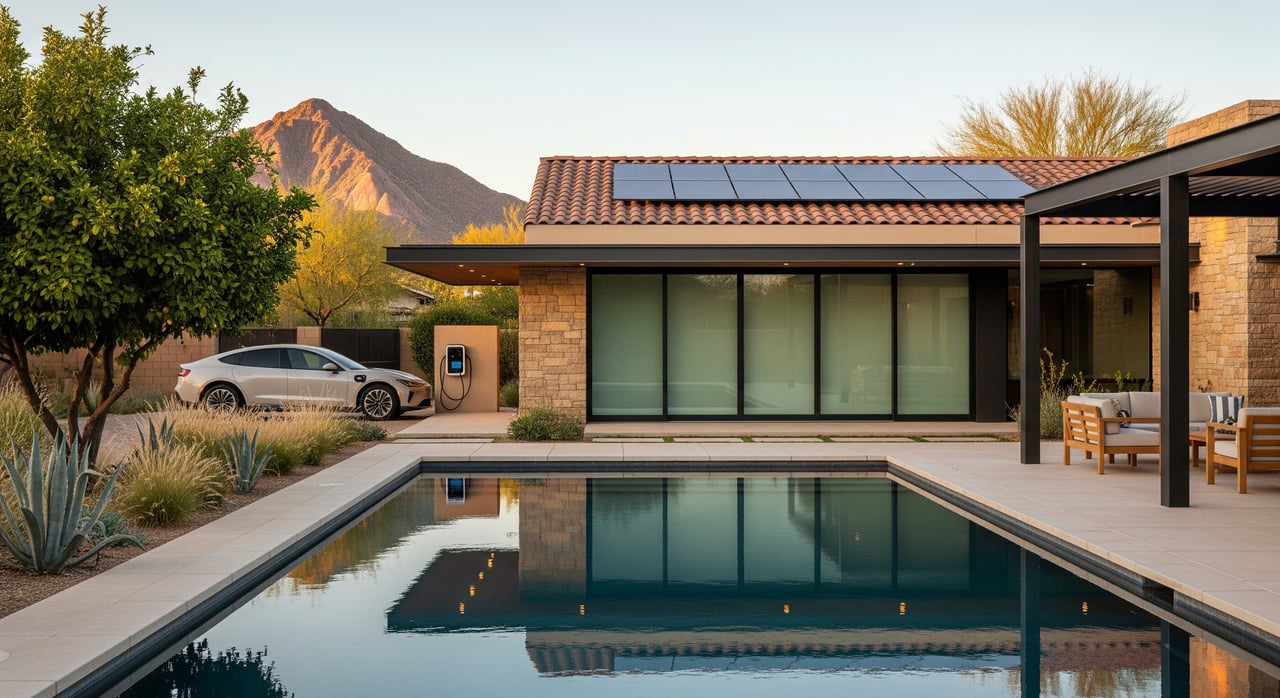
Arcadia summers can be relentless, and your home feels it first. If you are gearing up to list or planning strategic improvements, the right energy-smart upgrades can cut cooling bills, boost comfort, and help your property stand out. You do not need a full remodel to see results. A few desert-ready choices, backed by simple documentation, can go a long way with Phoenix buyers.
Below, you will find practical, climate-specific upgrades that work in Arcadia and Arcadia Lite, plus a simple way to evaluate payback and a pre-listing checklist you can use right away. Let’s dive in.
Why energy upgrades matter in Arcadia
Arcadia sits in a hot, cooling-dominated climate with long summers and intense sun. In this kind of environment, reducing heat gain and helping your home expel heat efficiently are the biggest wins for comfort and operating costs. Buyers often ask about summer bills, system age, and low-maintenance yards. Sellers benefit when they can show recent improvements, lower utility costs, and smart outdoor design that fits the desert.
If you make upgrades, document them. Keep invoices, tune-up reports, and any rebate confirmations. This proof supports your list price and gives buyers confidence in your home’s long-term performance.
High-impact upgrades for Phoenix heat
Tune and right-size your HVAC
Your HVAC system does most of the heavy lifting in Arcadia. Efficiency ratings and correct installation matter, but so do the basics. Airflow, refrigerant charge, and sealed ducts are essential for performance. Even a high-efficiency unit will underperform if ducts leak or the system is not sized correctly.
- Ask contractors to complete Manual J load calculations rather than using rules of thumb.
- Seal and insulate accessible attic ducts to stop cooled air from leaking into a hot attic.
- Schedule annual tune-ups and replace filters regularly to maintain efficiency and extend equipment life.
Modern heat pumps can work efficiently in Phoenix, and central AC units typically last 12 to 20 years with good maintenance. If your system is more than 10 to 15 years old, gather quotes that compare efficiency ratings and lifecycle costs. For general cooling system tips, review the U.S. Department of Energy’s guidance on central air conditioning.
Seal and insulate the attic
In hot climates, the attic is a primary source of heat gain. Air sealing the attic floor and increasing insulation can reduce heat flow into living spaces and improve comfort during peak summer hours. Pay attention to penetrations like can lights, soffits, and chases that often leak air.
Radiant barriers or reflective roof coatings can further reduce radiant heat transfer from the roof to the attic floor. If your attic is accessible, consider both air sealing and insulation depth, not just one or the other. The U.S. Department of Energy explains how radiant barriers work in hot climates and offers additional insulation best practices.
Shade and window strategies
Solar heat through glass drives up afternoon cooling loads, especially on west and southwest windows. You can reduce this with a mix of exterior shading and climate-appropriate glazing.
- Prioritize exterior shade for west-facing windows. Fixed overhangs, solar screens, and retractable shades often outperform interior blinds for blocking heat.
- If replacing windows, choose glazing with a low solar heat gain coefficient designed for hot climates. See ENERGY STAR’s climate guidance for windows, doors, and skylights.
- For quicker, lower-cost improvements before listing, consider exterior solar screens or reflective film, then add interior cellular shades to improve comfort.
Window replacements can be effective, but they are higher cost with longer payback. Exterior shading or solar screens often deliver faster savings and are friendly to Arcadia homes with original character.
Outdoor shade and cool roof options
Control the sun before it hits your home. Shade structures and trees can dramatically cut heat gain and make your outdoor spaces usable longer into the season.
- Focus on west exposures that take the harshest sun.
- Add pergolas, fixed overhangs sized for summer sun angles, or retractable covers to shade patios and adjacent windows.
- If your roof is due for maintenance, consider a cool roof approach with reflective coatings or lighter materials to reduce heat absorption.
Small, low-water trees or architectural shading placed near hot windows can deliver outsized comfort gains. Check HOA rules and City of Phoenix permitting requirements before building shade structures or changing visible exteriors.
Water-smart landscaping and irrigation
Outdoor water use is a major expense in Phoenix. Xeriscape design and smart irrigation can curb bills and appeal to buyers who want low maintenance.
- Replace broad turf with functional patches or switch to drip-irrigated, drought-tolerant plants.
- Group plantings by water needs and use rock mulch or decomposed granite to control evaporation.
- Install a WaterSense-labeled smart controller to adjust watering to weather. Learn more from EPA WaterSense on irrigation controllers.
Rebates can help. City programs, APS, and SRP periodically offer incentives for water and energy-saving measures. Start with the City of Phoenix Water Services rebates and conservation page.
Low-cost fixes with quick payback
Not every improvement requires a large budget. Some of the best pre-listing moves are simple and fast.
- Seal and insulate accessible ducts, especially in the attic.
- Add or replace weatherstripping and seal gaps around doors and windows.
- Install a programmable or smart thermostat. Local utilities sometimes offer rebates and demand response programs.
- Use ceiling fans to increase comfort at higher thermostat setpoints.
These measures boost perceived quality for buyers and can reduce energy use within months.
What it costs and how to gauge ROI
The simplest way to evaluate upgrades is to calculate payback using your actual bills and realistic savings estimates. Here is a straightforward approach you can use.
- Simple payback in years = Upfront cost divided by annual net savings.
- Upfront cost includes contractor quotes, permits, and materials.
- Annual net savings equals reduced energy and water bills minus any added maintenance.
Follow these steps:
- Gather the last 12 months of electric and water bills for a baseline.
- Ask contractors for written estimates that include expected efficiency improvements or kWh and water savings per year.
- Convert those savings to dollars using your utility rates.
- Calculate simple payback and show a range to stay conservative.
Typical patterns in hot desert markets:
- HVAC replacement can yield meaningful savings when replacing older, inefficient units, but results depend on correct sizing, duct condition, and usage.
- Duct sealing, tune-ups, and smart thermostats are low cost with shorter paybacks.
- Attic air sealing, added insulation, and radiant barriers often have multi-year paybacks with strong comfort gains.
- Window replacements are higher cost with longer paybacks, while solar screens and exterior shading often offer faster returns.
- Xeriscape and irrigation upgrades can reduce outdoor water costs and maintenance while improving curb appeal.
To stretch your budget, review incentives before you schedule work. Check APS residential rebates, SRP home rebates, and statewide listings via DSIRE. Program availability changes, so confirm details tied to your specific utility account and property.
A quick Arcadia pre-listing checklist
Use this list to plan upgrades that buyers will notice and appraisers can verify. Adjust based on your home’s specifics.
High priority
- HVAC: schedule a professional tune-up, clean coils, and replace filters. Request a duct leakage test and airflow balancing. If your unit is old or unreliable, obtain replacement quotes that include efficiency data and lifecycle cost comparisons.
- Ducts: seal and insulate accessible attic ducts to cut cooling losses.
- Thermostat: install a programmable or smart model. Check APS or SRP for available rebates.
- Shade hot windows: add exterior solar screens or awnings on west-facing glass and consider interior cellular shades.
Medium priority
- Attic: air seal penetrations and increase insulation where substandard. Consider a radiant barrier if your attic configuration allows.
- Irrigation: convert to drip, add a smart controller, and group plants by water needs. Reduce turf where it is not functional.
- Outdoor living: add ceiling fans and shade structures to extend usability during hotter months.
Lower priority or situational
- Window replacement: consider when windows are failing or for a larger design refresh. Specify low solar heat gain glazing for hot climates.
- Cool roof or reflective coating: evaluate if your roof is darker or due for maintenance.
- Solar PV: not an efficiency upgrade, but it can offset electric bills. Analyze payback and long-term value separately.
Permits, HOAs, and documentation buyers value
Before you add shade structures, replace HVAC equipment, or plant new trees, confirm City of Phoenix permitting requirements and any Arcadia HOA or architectural rules. Permits are commonly required for structural work and many HVAC replacements.
When you complete upgrades, keep a simple file with invoices, photos, tune-up reports, rebate confirmations, and thermostat logs. Share this with your listing package. Buyers respond well to verifiable improvements and clear operating-cost summaries.
Position your Arcadia home for the market
Energy-smart improvements can elevate comfort right now and make your home more competitive when you sell. If you want help prioritizing upgrades, estimating simple paybacks, or preparing a clean documentation package for buyers, reach out. A short consult can save you money and stress.
For a personalized pre-listing plan or a buyer-side evaluation of operating costs in Arcadia, connect with Angela Totman. Let’s create a path that fits your goals and your timeline.
FAQs
Should I replace my AC before listing my Arcadia home?
- If your unit is near end of life, unreliable, or clearly inefficient, replacement can reduce risk during inspections and appeal to buyers. At minimum, document a recent tune-up and provide service records.
Are new windows worth it in Phoenix’s Arcadia neighborhood?
- Full window replacements are high cost and often have longer payback. Exterior solar screens, awnings, or reflective films can be faster, lower-cost options to reduce heat gain.
What are the best quick wins for lower summer bills?
- Duct sealing, a professional HVAC tune-up, smart thermostat installation, and shading west-facing windows are common low-cost, high-impact moves in hot climates.
Where can I find rebates for HVAC or landscaping?
- Start with APS or SRP customer rebate pages, City of Phoenix Water Services conservation rebates, and statewide listings through DSIRE. Programs vary, so confirm current offers for your property and utility.
How do I estimate the ROI of energy upgrades?
- Use the simple payback formula. Divide your upfront cost by the expected annual savings calculated from your utility rates. Ask contractors to provide savings estimates and compare a range of outcomes.