A residential home appraisal is a crucial part of the home buying or selling process in Arizona, and a necessary step for most buyers who are purchasing with financing. This process provides an unbiased estimate of a home’s worth, which can significantly affect financing, purchasing decisions, and negotiations. In Arizona, like in many other states, the appraisal process follows a standardized procedure, ensuring that the value is fair and based on several key factors.
Exterior Condition and Curb Appeal
One of the first things an appraiser assesses is the exterior of the home. The general curb appeal and the overall condition of the outside of the property are critical factors. This includes:
- Size and Shape of the Lot: The dimensions and shape of the lot are taken into account, as well as any unique features like corner lots, large backyards, or land with scenic views.
- Roofing, Siding, and Foundation: The condition of the roof, the exterior siding (whether it’s brick, stucco, wood, or other materials), and the foundation’s stability are all key aspects. Any visible cracks or damages can reduce the home’s value.
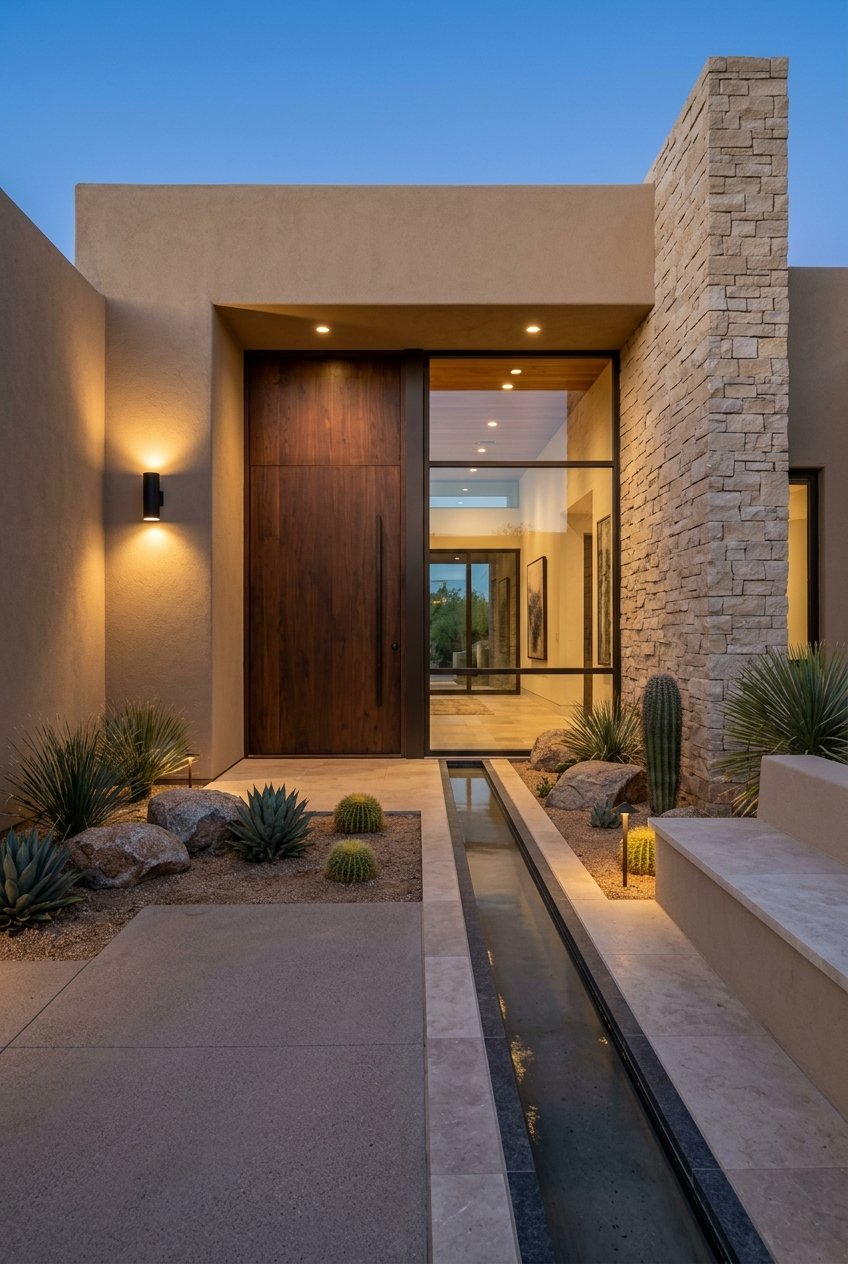
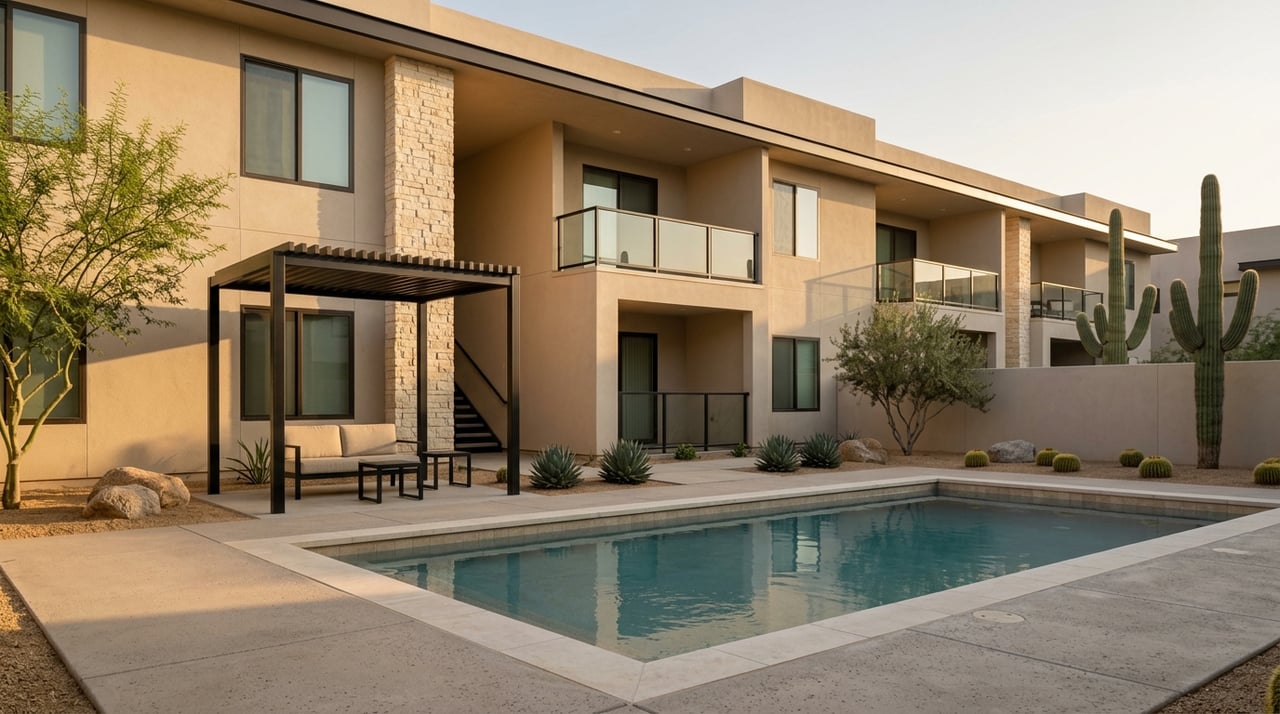
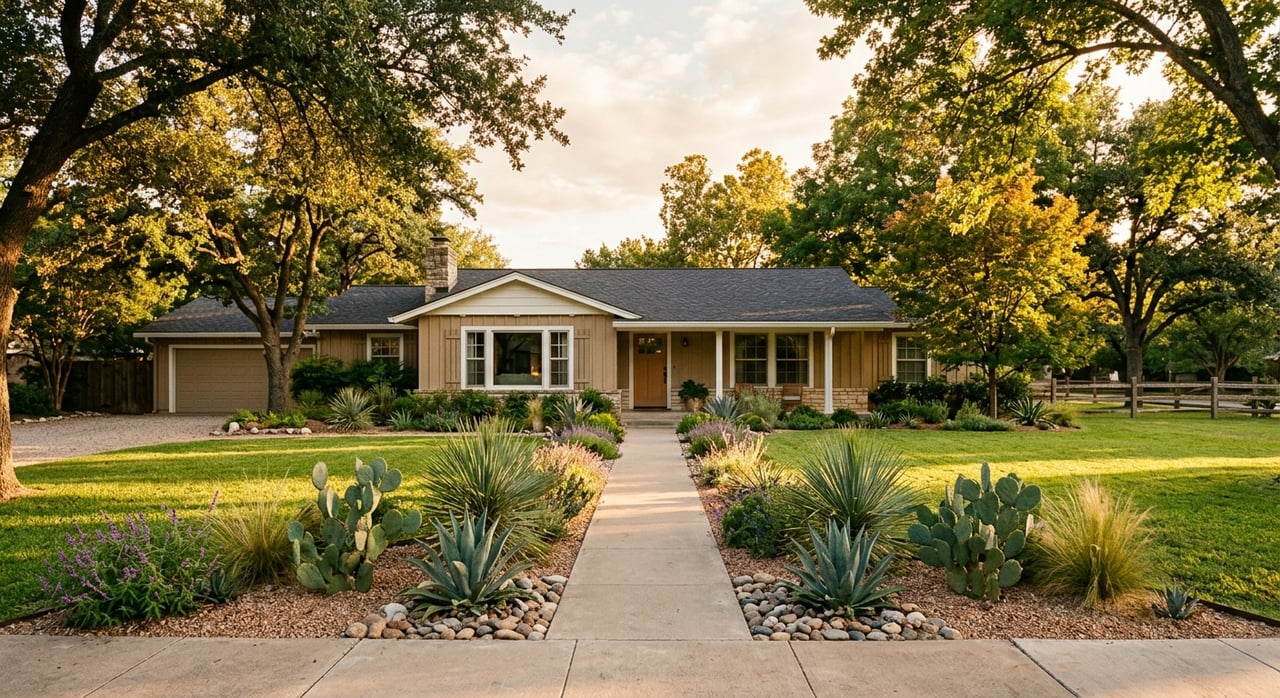
- Landscaping: While landscaping doesn’t carry as much weight as structural elements, well-maintained lawns, gardens, or paved walkways can enhance a home’s curb appeal and slightly boost its appraisal value.
Interior Condition
The inside of the home is just as important, and appraisers will carefully inspect the interior, considering factors such as:
- Square Footage: The overall square footage of the living space is critical. Larger homes generally have higher values.
- Number of Bedrooms and Bathrooms: The more bedrooms and bathrooms a home has, the higher its potential value, especially if these rooms are spacious and modern.
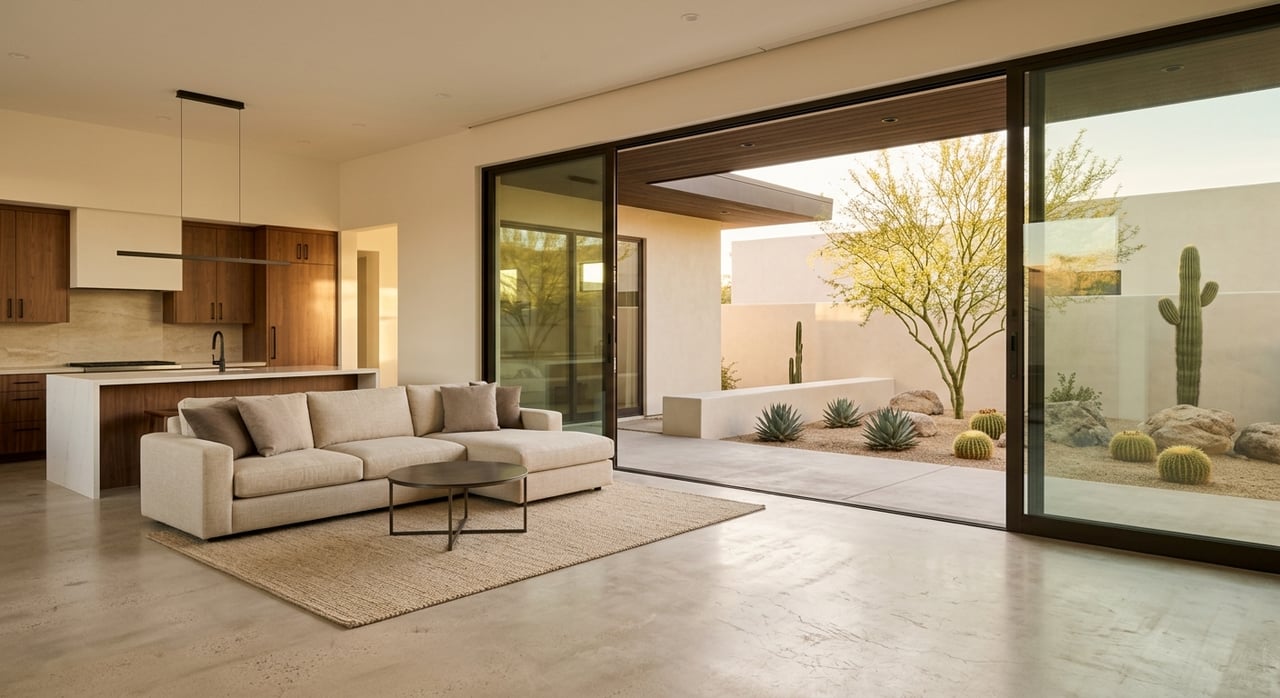
- Kitchen and Bathrooms: Kitchens and bathrooms are among the most valuable rooms in the house. Upgraded appliances, countertops, and finishes, such as granite countertops or custom cabinetry, can positively impact the home’s value.
- Condition of Flooring, Windows, and Paint: Flooring types (hardwood, tile, carpet, etc.) and the condition of the windows (double-pane, energy-efficient, etc.) are considered. Freshly painted walls and well-maintained interiors also contribute to a favorable appraisal.
- Functional Layout: The flow of the home and its layout can also impact value. Homes with awkward or impractical layouts may see a decrease in appraised value.
Age of the Property and Renovations
- Age of the Home: Newer homes may have higher values due to modern construction and design standards and less wear and tear. However, older homes that have been well-maintained or remodeled or are in desirable communities due to historical or character appeal can appraise well, particularly if they feature high-quality materials or craftsmanship.
- Renovations and Upgrades: Any renovations or upgrades that improve the home’s livability or appearance will be considered in the appraisal. This includes updated kitchens, modern bathrooms, new HVAC systems, energy-efficient windows, or additional living space. However, it’s important to note that not all renovations provide the same return on investment, so an appraiser will weigh the cost of the renovations against how much value they add.
Neighborhood and Location
- School District: The quality of the school district is a significant factor in determining home value, particularly for families with children. Homes located in highly rated school districts often demand higher prices, therefore leading to higher appraisals in that neighborhood.
- Proximity to Amenities: The home’s proximity to parks, shopping centers, public transportation, and major highways also plays a role. Homes in convenient locations often see a boost in appraisal value.
- Neighborhood Condition: Appraisers assess the overall condition of the surrounding neighborhood, including the condition of nearby homes, the crime rate, and general appeal. Neighborhoods with well-maintained homes and low crime rates usually result in higher appraised values.
- Comparable Homes (Comps): One of the most critical factors in determining a home’s value is comparing it to recently sold homes in the area with similar features. These “comps” provide a benchmark for appraisers, ensuring that the home’s value aligns with the local market.
Energy Efficiency Features
In Arizona, where high temperatures can drive up utility costs, energy-efficient homes tend to have a higher appraisal value. Features such as energy-efficient windows, doors, insulation, and HVAC systems can all positively impact the appraisal. Solar panels, in particular, are becoming more common in Arizona homes due to the state’s abundant sunshine.
Does Installed Solar Need a Separate Appraisal?
The inclusion of solar energy systems in a home’s appraisal has become increasingly relevant in Arizona, as more homeowners are installing solar panels to reduce energy costs. However, whether solar panels require a separate appraisal or are included in the general home appraisal depends on several factors.
Owned vs. Leased Solar Panels
The ownership of the solar panels plays a crucial role in how they are valued in an appraisal.
- Owned Solar Panels: If the homeowner owns the solar panels outright (either purchased upfront or through a loan), the value of the solar energy system will generally be included in the overall home appraisal. Appraisers consider the system’s size, age, and energy production capacity, as well as the cost savings from lower utility bills, when determining how much value the solar panels add.
- Leased Solar Panels: If the solar panels are leased, their value is not included in the appraisal. Leased solar systems are essentially a separate entity, and future homeowners would need to take over the lease or negotiate terms, which doesn’t necessarily add value to the property.
Solar Appraisal Guidelines
In Arizona, solar panels can significantly impact a home’s value, but it’s important to understand how appraisers approach this. Some appraisers use specific solar appraisal guidelines, such as the PV Value® tool, which calculates the value of a photovoltaic (solar) system based on the amount of energy it generates and the savings it provides over time.
These tools help determine the present value of the future energy savings, which is then factored into the overall home value. The Federal Housing Administration (FHA) and Fannie Mae both have guidelines for appraising solar systems, and they typically include considerations such as:
- The remaining lifespan of the solar panels.
- The amount of energy produced and corresponding utility savings.
- The cost of installation and potential tax incentives that the homeowner may have received.
Location-Based Value of Solar Panels
The value solar panels add to a home can also vary based on location. In Arizona, where sunny days are plentiful and energy costs can be high, solar panels often contribute more to a home’s value than in other states. For example, a home with solar panels in Phoenix, where utility costs can soar during the summer months, may see a more significant appraisal boost compared to a home in a region with lower energy costs or fewer sunny days.
Should You Get a Separate Solar Appraisal?
In most cases, a separate solar appraisal isn’t necessary if you’re selling or refinancing a home in Arizona. A qualified home appraiser who is knowledgeable about solar energy systems should be able to include the value of owned solar panels in the overall appraisal. However, if you feel that the solar system’s value may not be adequately represented, or if the appraiser isn’t familiar with solar valuation, you might consider seeking a separate solar appraisal. This specialized appraisal focuses solely on the solar energy system, ensuring that it is valued correctly.
In Arizona, a residential home appraisal covers a comprehensive assessment of the property’s interior and exterior condition, renovations, location, and energy-efficient features. Installed solar panels, particularly owned systems, can enhance a home’s value and are typically included in the overall appraisal. Leased systems, however, do not contribute to the appraised value. If necessary, homeowners can seek a specialized solar appraisal to ensure that the solar system’s contribution is fully accounted for in the home’s value.